

Discover the five most important questions retail businesses should ask before hiring a commercial painter. Learn how to protect your investment, minimize downtime, and achieve long‑lasting results with professional commercial painting for retail stores.
Hiring the right commercial painter for a retail store is about far more than choosing a contractor with the lowest bid. The quality of your paint job directly affects your store’s appearance, customer perception, employee morale, and even sales performance. A professionally painted retail space communicates trust, cleanliness, and brand consistency—while a poorly executed project can result in disruptions, safety issues, and expensive rework.
Retail environments are uniquely challenging. High foot traffic, merchandise displays, strict branding requirements, and the need to remain open during business hours all demand specialized expertise. That’s why choosing the right retail commercial painting contractor is a critical business decision.
Before committing to a painting project, here are five essential questions every retail store should ask before hiring a commercial painter to ensure high‑quality results and a smooth, efficient process.
1. Do You Have Experience Painting Retail Stores?
Not all commercial painters are equally qualified to work in retail environments. While office buildings or warehouses have their own challenges, retail spaces require precision, speed, and customer awareness.
Why retail commercial painting experience matters:
- Retail painters understand how to work around shelving, displays, signage, and inventory
- They know how to maintain clean, safe walkways for customers and staff
- They are familiar with brand standards, color matching, and visual merchandising requirements
- They can work efficiently in occupied spaces without disrupting sales
An experienced commercial painter for retail stores will know how to phase projects, plan around peak shopping hours, and coordinate with store managers. This expertise significantly reduces disruptions and helps keep your business operational.
What to ask for:
Request a portfolio of completed retail projects, references from store owners or property managers, and examples of similar‑sized stores or chains they’ve worked with. Case studies can provide insight into their ability to deliver results under real‑world retail conditions.
2. What Paint Types, Finishes, and Brands Do You Recommend?
Paint selection is one of the most important decisions in retail commercial painting. The wrong paint can chip, scuff, or fade quickly—especially in high‑traffic areas—while the right products can preserve your store’s appearance for years.
A qualified commercial painter should act as an advisor, not just an applicator. They should recommend paint systems designed specifically for retail use.
Key topics your painter should address:
- Low‑VOC or zero‑VOC paints to protect indoor air quality and customer comfort
- Scuff‑resistant, washable finishes for checkout areas, fitting rooms, corridors, and entrances
- Moisture‑resistant coatings for restrooms or food‑adjacent spaces
- Durable exterior paints for storefronts exposed to sun, wind, and rain
- Color guidance that aligns with your brand identity and influences shopper behavior
Retail stores experience constant wear and tear. Choosing high‑performance coatings ensures your investment holds up against daily traffic, cleaning, and seasonal changes.
3. How Will You Minimize Disruption to Store Operations and Customers?
One of the biggest concerns retail owners have is downtime. Lost hours or closed sections can directly translate into lost revenue. A professional commercial painting company for retail stores should have a detailed plan for completing work while keeping your business running.
Important questions to ask:
- Do you offer evening, overnight, or weekend painting services?
- Can the project be completed in phases so sections remain open?
- How will you control dust, odors, and ventilation during painting?
- What safety measures are in place for customers and staff?
- How will merchandise, floors, and fixtures be protected?
The best retail painters understand that customers come first. They will use low‑odor paints, proper ventilation systems, and protective coverings to maintain a clean, professional environment throughout the project.
4. What’s Included in the Estimate or Project Quote?
Transparency is critical when comparing commercial painting quotes. Two estimates may look similar at first glance—but differ significantly in scope, materials, or preparation quality.
A trustworthy retail commercial painter will provide a detailed, itemized estimate that clearly explains what you’re paying for.
Your estimate should include:
- Surface preparation (cleaning, patching, sanding, repairs)
- Priming and number of paint coats
- Type, brand, and quality level of paint products
- Labor costs and project timeline
- Protection of floors, fixtures, and inventory
- Cleanup, debris removal, and final inspection
- Optional services like accent walls or specialty coatings
- Warranty or post‑project touch‑ups
Understanding exactly what’s included helps avoid hidden fees, change orders, and misunderstandings once the project is underway.
5. Do You Offer a Warranty on Your Commercial Painting Work?
A professional commercial painter should confidently stand behind their workmanship. Warranties demonstrate accountability and long‑term commitment to quality.
Be sure to clarify:
- Length of the labor warranty
- What issues are covered (peeling, blistering, fading, adhesion failure)
- Whether touch‑ups are included
- Manufacturer warranties on paint products
A strong warranty provides peace of mind and protects your investment long after the painters leave. It also signals that the contractor uses proper preparation techniques and high‑quality materials.
Why Commercial Painting Is a Smart Investment for Retail Stores
Professional commercial painting for retail stores is one of the most cost‑effective ways to refresh your space, strengthen your brand, and improve the customer experience. Updated colors, clean finishes, and a polished appearance can:
- Increase foot traffic and curb appeal
- Improve first impressions and brand trust
- Encourage customers to stay longer and shop more
- Boost employee morale and pride
- Support higher sales and repeat visits
In competitive retail markets, appearance matters. Customers notice details, and paint quality plays a major role in how your business is perceived.

Final Thoughts: Choosing the Right Commercial Painter for Your Retail Store
Selecting the right commercial painter is about more than price—it’s about trust, experience, and execution. By asking these five essential questions, retail store owners and managers can confidently choose a contractor who understands retail environments, respects operational needs, and delivers consistent, high‑quality results.
A professionally painted retail store doesn’t just look better—it performs better. With the right retail commercial painting partner, you can protect your investment, minimize disruptions, and create a welcoming space that drives customer engagement and long‑term success.
Related Posts
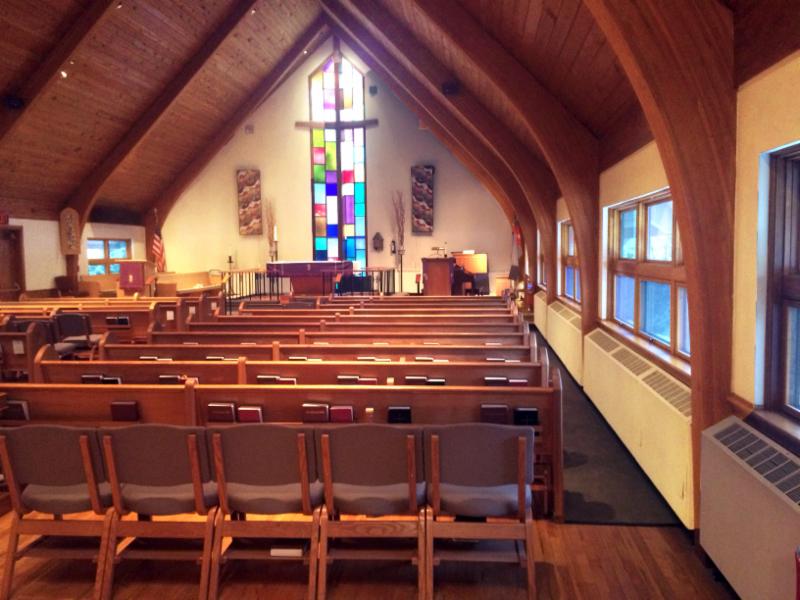
As the holiday season approaches, churches and other houses of worship begin preparing for some of the busiest weeks of the year. Christmas services, Hanukkah [...]
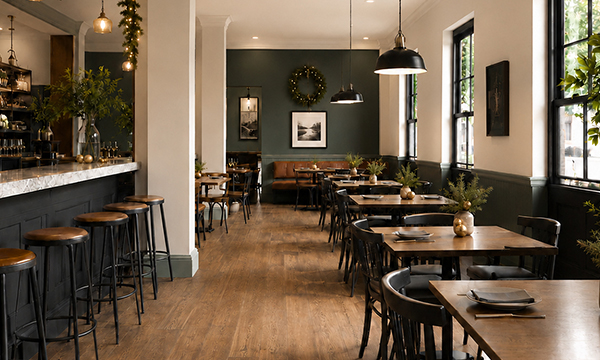
The holiday season is one of the most important revenue periods of the year for restaurants. From corporate holiday parties and family gatherings to seasonal [...]
Great Place To Work® and Fortune have selected Arch Painting®, the leading nationwide commercial painting contractor, for the 2026 Fortune Best Workplaces in Construction™ List. [...]