

Learn why durable, commercial‑grade paint solutions are essential for high‑traffic college and university campuses and how they reduce long‑term maintenance costs.
College and university campuses experience constant use. From residence halls and classrooms to dining facilities, stairwells, and restrooms, these buildings see heavy foot traffic every day of the year. In environments like these, standard paints break down quickly, leading to visible wear, frequent repainting, and rising maintenance costs.
That’s why durable, commercial‑grade paint solutions are essential for high‑traffic campus environments. The right paint systems protect surfaces, extend repaint cycles, and help institutions control long‑term operational costs while maintaining a professional appearance.
Why Durable Paint Matters on College and University Campuses
Academic buildings are uniquely demanding. Walls and surfaces are subjected to:
- Thousands of daily users
- Frequent cleaning and disinfecting
- Furniture movement and equipment transport
- Moisture and humidity, especially in dorms and restrooms
Lower‑grade paints often can’t withstand these conditions. The result is premature scuffing, chipping, peeling, and discoloration. For facilities teams, this means more frequent repainting, increased labor costs, and disruption to students and faculty.
Durable paint coatings are specifically engineered to perform in high‑use institutional environments, making them a smarter long‑term investment.
Paint Systems Designed for Heavy Foot Traffic
High‑traffic areas on campus require paint systems formulated for durability, not just aesthetics. Commercial‑grade paints use advanced resins and binders that resist abrasion, scuffing, and wear from constant movement.
These systems are ideal for:
- Hallways and corridors
- Stairwells and stair towers
- Building entries and lobbies
- Student centers and common areas
Using paint designed for heavy foot traffic helps walls maintain a clean appearance longer, reducing the “worn” look that can make facilities seem outdated or neglected even when they are structurally sound.
Low‑VOC and Quick‑Cure Paints for Occupied Campus Buildings
Painting on campuses often must occur while buildings remain partially or fully occupied. This makes low‑VOC and quick‑cure paint solutions essential.
Low‑VOC Paints Support Health and Safety
Low‑VOC paints release fewer odors and airborne chemicals, improving indoor air quality for students, faculty, and staff. These products are especially important in:
- Residence halls
- Classrooms and lecture halls
- Libraries and administrative offices
Low‑VOC coatings allow painting to proceed safely without requiring long building closures or evacuations.
Quick‑Cure Paints Minimize Downtime
Fast‑drying and quick‑cure paint systems allow spaces to return to service quickly. This is especially important for:
- Classrooms on tight schedules
- Restrooms and dining areas
- Libraries and study spaces
Quick‑turn products support night, weekend, and short‑window painting schedules, reducing disruption during the academic year.
Anti‑Microbial and Easy‑Clean Finishes for Dorms and Restrooms
Certain campus environments face additional challenges due to shared use, moisture, and hygiene concerns.
Anti‑Microbial Paint Finishes
Dormitories, restrooms, locker rooms, and health‑adjacent facilities benefit from anti‑microbial paint coatings. These finishes help inhibit the growth of mold, mildew, and bacteria on painted surfaces.
While not a substitute for regular cleaning, anti‑microbial coatings provide an added layer of protection in high‑risk areas and support healthier shared environments.
Easy‑Clean Paint Solutions
Walls in student housing and restrooms are prone to scuffs, fingerprints, and stains. Easy‑clean paint finishes allow custodial staff to remove marks without damaging the coating.
Benefits include:
- Improved appearance between repaint cycles
- Reduced custodial labor time
- Longer paint life in high‑use spaces
These features help facilities teams maintain standards without increasing maintenance workloads.
Long‑Term Cost Savings vs. Frequent Repainting
From a facilities management perspective, durable paint solutions deliver significant lifecycle cost savings.
Fewer Repaint Cycles
Lower‑quality paints often require repainting in as little as two to three years in high‑traffic areas. Commercial‑grade coatings extend repaint cycles, lowering both labor and material costs.
Reduced Maintenance Labor
Durable, wash‑resistant paints reduce the frequency of touch‑ups and repairs, freeing up maintenance staff for higher‑value work.
Predictable Budgeting
Investing in long‑lasting paint systems improves budget forecasting and reduces reactive maintenance spending. Over time, the total cost of ownership is significantly lower than frequent repainting with lower‑cost products.
Selecting the Right Paint for Campus Environments
Choosing the best paint system requires evaluating:
- Traffic volume and usage patterns
- Cleaning frequency and methods
- Moisture exposure
- Indoor air quality requirements
- Scheduling constraints and academic calendars
Professional commercial painters experienced in college and university facilities help match the right paint products to each environment, ensuring performance and durability.

The Importance of Professional Commercial Painting
Even the best paint products fail without proper preparation and application. Professional campus painting contractors provide:
- Knowledge of institutional‑grade coatings
- Proper surface repair and preparation
- Experience working around occupied buildings
- Structured scheduling to minimize disruption
Their expertise ensures paint performs as intended and delivers maximum return on investment.
Final Thoughts
High‑traffic campus environments demand durable paint solutions designed for heavy use, frequent cleaning, and occupied buildings. Commercial‑grade coatings, low‑VOC products, anti‑microbial finishes, and easy‑clean systems help colleges and universities protect their facilities while managing long‑term costs.
For facilities leaders focused on efficiency, safety, and lifecycle value, investing in durable paint systems is not just a maintenance choice—it’s a strategic decision that supports campus operations for years to come.
Related Posts

Banks operate on trust, security, and convenience. Customers expect uninterrupted access to financial services, whether they are visiting a branch, meeting with a loan [...]
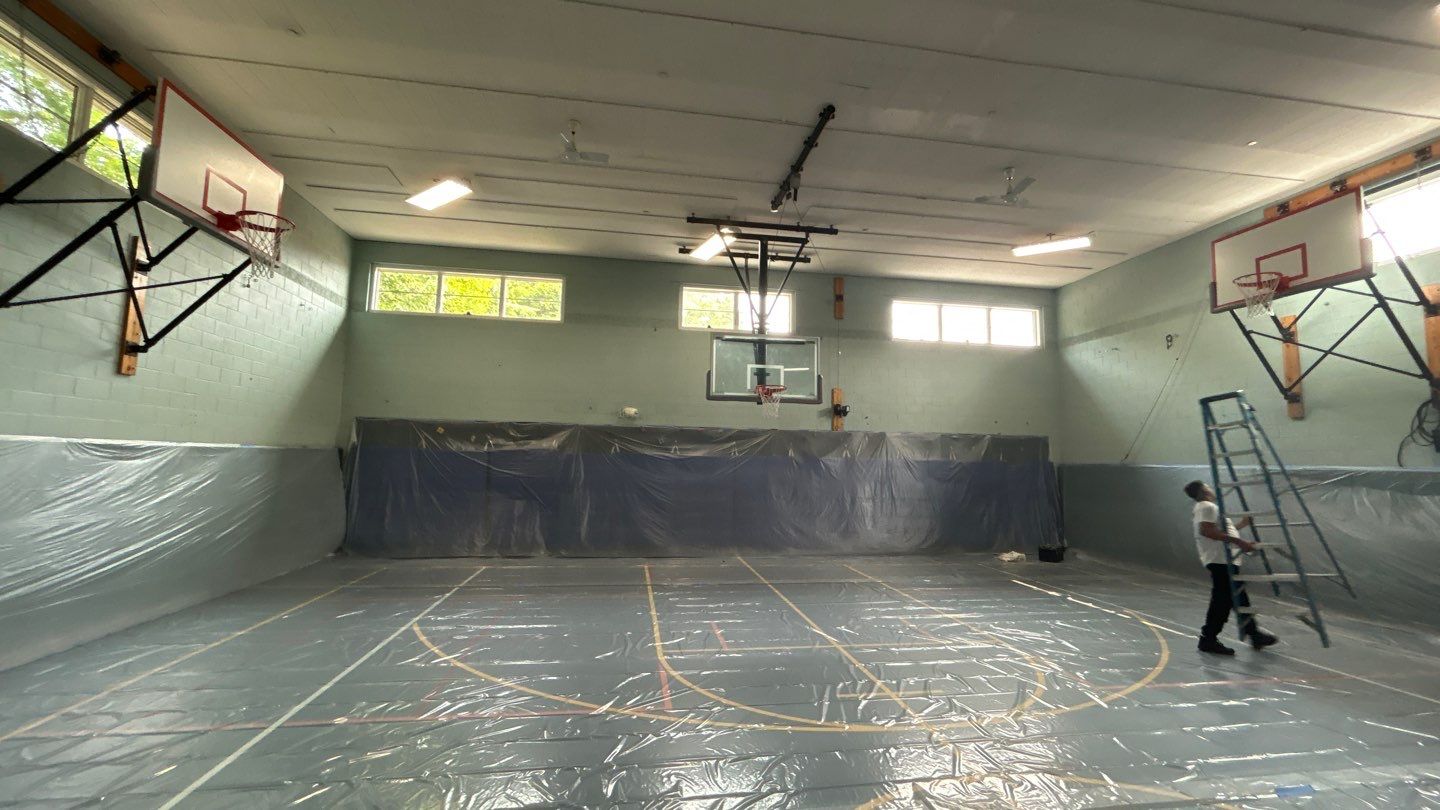
Overview For the past ten summers, while students and teachers enjoy their well-earned break, Arch Painting has partnered with Fayerweather Street School to complete [...]
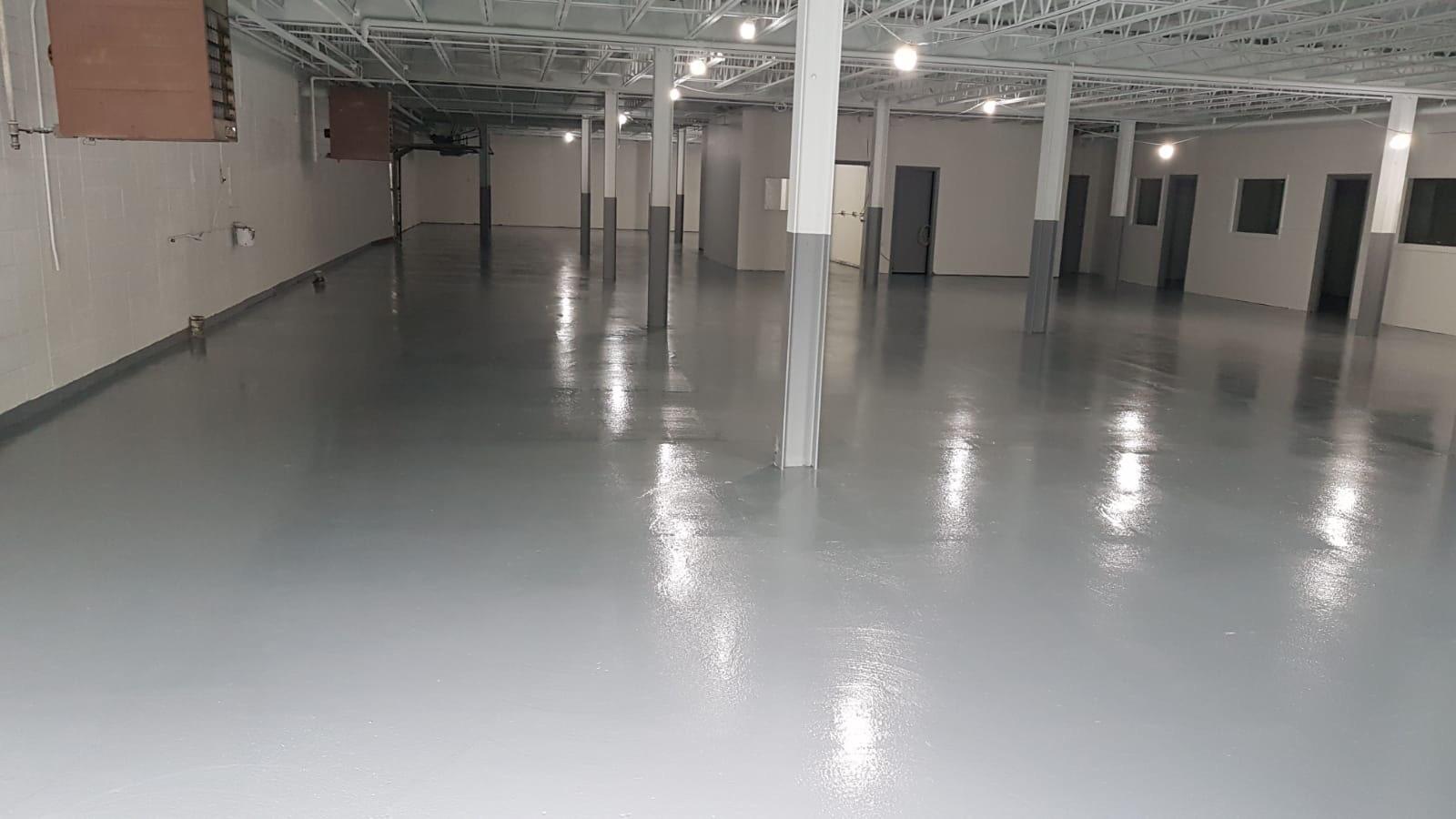
For property managers and facilities directors overseeing warehouses, manufacturing plants, and commercial distribution centers, floor condition directly impacts worker safety, operational uptime, and regulatory [...]