

When it comes to commercial painting projects, few environments require more planning, professionalism, and attention to detail than financial institutions. Banks, credit unions, mortgage offices, and financial service centers must maintain strict security protocols while continuing to serve customers and protect sensitive assets. As a result, painting these facilities involves much more than selecting colors and applying coatings.
For financial institutions, choosing a commercial painting contractor with experience in high-security environments is essential. From contractor background checks and restricted access areas to working around vaults and sensitive banking operations, the right contractor can complete the project efficiently while minimizing risk and disruption.
Why Financial Institutions Have Unique Painting Requirements
Unlike traditional office buildings, financial institutions handle cash, confidential client information, financial records, and valuable assets on a daily basis. Security remains a top priority at all times, even during renovation and maintenance projects.
Whether the project involves repainting a local branch, updating a regional operations center, or supporting a multi-location bank rebranding initiative, contractors must understand the operational and security concerns unique to banking facilities.
Contractor Background Checks Are Often Required
One of the first security requirements banks evaluate when hiring a commercial painting company is contractor screening.
Many financial institutions require contractors to provide documentation verifying that painters, project managers, and supervisors have undergone background checks before entering secured areas. Depending on the facility, these screenings may include:
- Criminal background checks
- Identity verification
- Employment history reviews
- Drug testing programs
- Security clearance documentation
A reputable commercial painting contractor should have established hiring procedures and screening programs already in place. This provides bank management with confidence that every individual entering the facility has been vetted and meets organizational security standards.
For larger financial institutions, maintaining a workforce of screened professionals can significantly streamline project approval and scheduling.
Navigating Restricted Areas Within Financial Facilities
Financial institutions contain multiple areas that may have limited access requirements.
These restricted spaces often include:
- Vault rooms
- Cash processing areas
- Data centers
- Server rooms
- Records storage facilities
- Executive offices
- Security monitoring centers
- Safe deposit box areas
Access to these locations may require escorts, scheduled work windows, temporary credentials, or additional authorization from security personnel.
Experienced commercial painting contractors understand that restricted areas require detailed planning before work begins. Project teams must coordinate closely with bank management to establish access procedures, security checkpoints, and approved work schedules.
This level of planning helps prevent delays while ensuring compliance with the institution’s internal security policies.
Working Around Vaults and High-Security Areas
Vaults represent some of the most security-sensitive spaces within a financial institution.
Whether repainting walls surrounding a vault entrance or updating adjacent customer-facing areas, contractors must follow strict protocols to avoid compromising security measures.
In many cases, vault work may need to occur:
- Outside normal banking hours
- During scheduled maintenance windows
- Under direct supervision
- Within designated security boundaries
Contractors may also be prohibited from bringing certain tools, equipment, cameras, or electronic devices into secured locations.
A commercial painting company experienced in banking environments understands these limitations and develops work plans that accommodate security requirements without impacting project quality.
Protecting Sensitive Financial Operations
Financial institutions must remain operational while protecting confidential customer information.
This creates unique challenges during painting projects.
For example, customer service representatives may continue meeting with clients while painters work in adjacent areas. Loan departments may process sensitive documents, and financial advisors may conduct private consultations throughout the workday.
Professional commercial painters use several strategies to minimize disruption, including:
After-Hours Scheduling
Many banks prefer painting work to occur during evenings, weekends, or overnight periods. This reduces customer impact and limits exposure to sensitive activities.
Phased Work Plans
Rather than painting an entire facility at once, contractors can complete projects in carefully planned phases, allowing departments to remain operational throughout the process.
Dust and Odor Control
Using low-VOC coatings and proper containment systems helps create a safer, more comfortable environment for employees and customers.
Noise Management
Limiting noisy preparation activities during business hours helps maintain a professional customer experience.
These approaches allow banks to continue serving customers while renovation projects move forward efficiently.
The Importance of Confidentiality and Professional Conduct
When working inside financial institutions, professionalism extends beyond painting expertise.
Contractors may encounter confidential business information, customer records, or sensitive operational processes. Every member of the painting team must understand the importance of discretion and confidentiality.
Experienced commercial painting companies train employees on professional conduct, including:
- Respecting privacy policies
- Avoiding access to restricted information
- Following security instructions
- Maintaining professional appearance standards
- Adhering to visitor and contractor protocols
These practices help create trust between the contractor and the financial institution.
Supporting Multi-Location Banking Projects
Many banks and credit unions operate numerous branches across a city, region, or state. During facility upgrades or rebranding initiatives, maintaining consistent security compliance across every location becomes even more important.
Commercial painting companies with multi-site project experience can implement standardized procedures for:
- Contractor screening
- Site security compliance
- Branch coordination
- Quality assurance
- Scheduling and reporting
This consistency allows financial institutions to renovate multiple locations while maintaining the same security standards throughout the organization.

Choosing the Right Commercial Painting Partner
Not every painting contractor is equipped to work within secure financial environments. Banks should seek a commercial painting partner with proven experience serving financial institutions and a strong understanding of operational security requirements.
Key qualities to look for include:
- Experience with banks and credit unions
- Comprehensive contractor screening programs
- Flexible scheduling capabilities
- Multi-location project management expertise
- Strong safety and compliance processes
- Professional communication and reporting systems
An experienced contractor can help financial institutions modernize their facilities while protecting assets, customers, and daily operations.
Conclusion
Painting financial institutions requires a specialized approach that balances aesthetics, operational efficiency, and security. From conducting background checks and navigating restricted areas to working around vaults and sensitive banking operations, every aspect of the project demands careful planning and execution.
By partnering with an experienced commercial painting company that understands the unique needs of banks and credit unions, financial institutions can complete renovations safely, maintain compliance with security requirements, and create a professional environment that reinforces customer confidence and trust.
Related Posts

When it comes to commercial painting projects, few environments require more planning, professionalism, and attention to detail than financial institutions. Banks, credit unions, mortgage [...]

Banks operate on trust, security, and convenience. Customers expect uninterrupted access to financial services, whether they are visiting a branch, meeting with a loan [...]
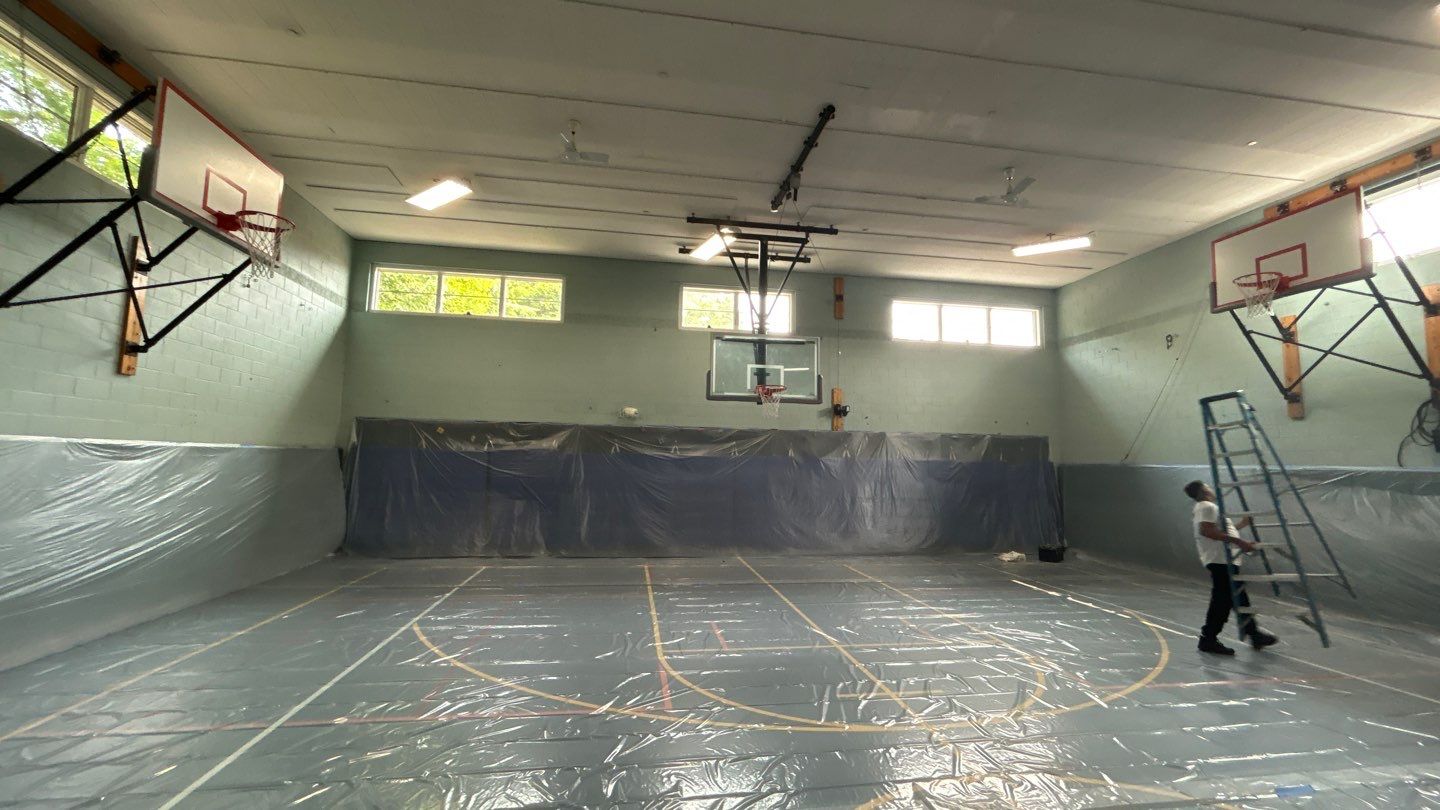
Overview For the past ten summers, while students and teachers enjoy their well-earned break, Arch Painting has partnered with Fayerweather Street School to complete [...]