


Executive Summary
A specialized HOA painting service translates CC&Rs into actionable scopes, navigates approvals, and delivers uniform, durable results at community scale. Phased logistics and proactive resident communications minimize disruption. Substrate-appropriate prep and products extend coating life and protect reserves. Documented compliance and warranties reduce risk for boards and managers.
Why HOAs Need a Specialized HOA Painting Company
Understanding CC&Rs, architectural standards & paint submittals
Community associations live and breathe their CC&Rs and architectural standards, and repainting is one of the most visible compliance triggers. A professional HOA painting contractor knows how to translate written standards into scannable scopes, color schedules, and submittal packages. That means the board, ARC, and management receive the exact paint data—manufacturer, line, sheen, and color code—they need for swift approval. When guidelines are ambiguous, pros provide clarifying addenda that prevent rework, disputes, and delays.
HOA painting compliance: documentation, permits & approvals
Beyond color approvals, HOAs often need evidence of insurance, licensing, and (where required) municipal permits before work begins. Experienced HOA paint contractors assemble complete compliance packets: COIs with correct endorsements, OSHA safety plans, SDS sheets, and lead-safe certifications for pre-1978 substrates. These documents are aligned to your community’s file requirements so managers can approve quickly and confidently. Proper documentation reduces liability exposure and keeps the project audit-ready.
Experience coordinating with boards, managers & committees
Board calendars, manager workloads, and ARC cycles can slow projects without the right cadence. Professional HOA painting services schedule standing touchpoints—pre-con, weekly check-ins, and close-out walks—so decisions keep pace with production. They also provide board-ready summaries and visuals (color maps, phasing charts, before/after photos) that streamline stakeholder buy-in. The result is smoother governance and fewer emergency meetings.
Getting HOA-Approved Exterior Paint Colors Right
Interpreting HOA painting guidelines & approved palettes
Guidelines vary from strict, numbered palettes to “like-for-like” language that invites interpretation. An HOA painting company reads between the lines, confirming where accents are allowed, which sheens go on which surfaces, and how many scheme options residents can choose from. Pros flag conflicts early—like disallowed door colors or trim sheens—so the board can clarify before paint hits the wall. This preserves design intent and avoids costly repaints.
Matching “hoa approved paint colors” across brands & sheens
Even with a specified brand, supply realities or price protections may necessitate alternates. Qualified contractors produce cross-brand matches, then verify under natural light and the correct sheen so metamerism doesn’t bite you later. They’ll document brand, line, base, formula, and LRV, and obtain written ARC sign-off. That paper trail protects both the HOA and residents.
Color samples, digital mockups & on-site test areas for sign-off
Boards appreciate seeing options before committing community-wide. Contractors provide brush-outs, digital elevations, and full-scale test areas placed in representative sun/shade conditions. Stakeholders can evaluate from 15–25 feet (typical viewing distance) and sign off with confidence. Documented approvals eliminate ambiguity when production begins.
Consistency across buildings, trims, doors & amenities
Uniform results require a master color matrix and a numbered elevation plan for each building type. Pros label doors, trims, railings, and amenities with the correct scheme and sheen, then enforce it with daily QA. Consistency elevates curb appeal, resale value, and resident satisfaction.
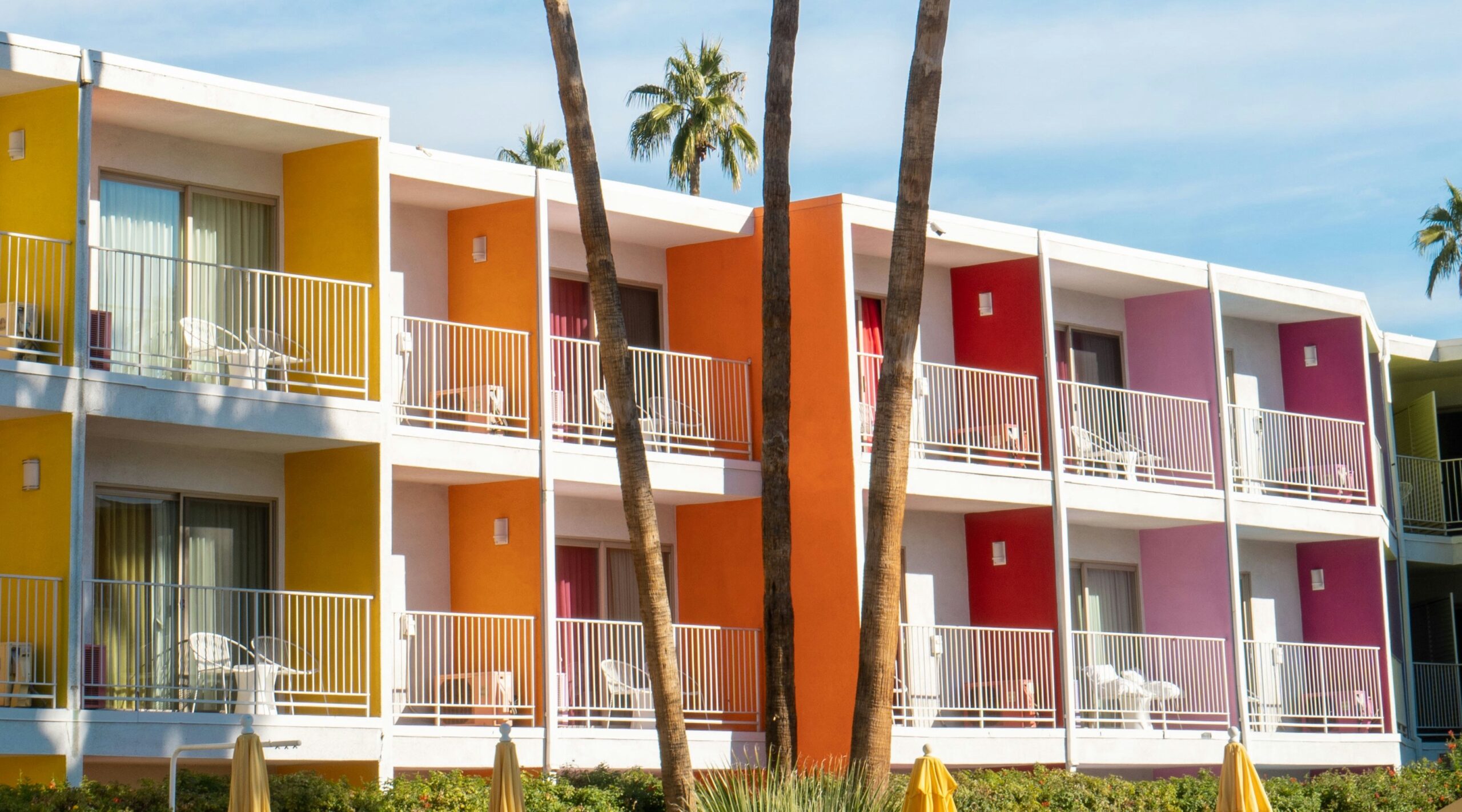
Planning Large-Scale HOA Painting Projects With Minimal Disruption
Phased schedules, staging & parking plans for multi-building sites
HOA repainting is logistics-heavy: access routes, laydown, boom lift paths, and parking reassignments must be mapped in advance. A seasoned team sequences buildings to minimize resident impact while keeping crews productive. Clear phasing maps and daily progress notes help everyone know what’s next. This cuts downtime and keeps timelines predictable.
Quiet hours, safety, and resident notifications (door hangers, email, SMS)
Communication is a compliance issue and a goodwill opportunity. Professional HOA painting services deploy multi-channel notifications—door hangers, email, SMS, portal posts—covering dates, quiet hours, parking moves, and pets/plant protection. Safety cones, caution tape, and signage protect walkways and entries. With expectations set, call volume to management drops dramatically.
Weather windows & seasonality for exterior repaints
Right coating, wrong weather equals failure. Pros select application windows based on temperature, humidity, dew point, and cure times, adjusting production when conditions shift. Seasonality planning ensures sensitive elevations get painted during the best micro-windows. This extends coating life and reduces callbacks.
Daily QA, punch lists & close-out packages
Daily QC includes film thickness checks, adhesion tests on repaired areas, and sheen consistency reviews. Crews close punch items building-by-building to avoid end-loaded rework. At completion, you receive a close-out package—warranty, color schedule, product data, and photo documentation—so future touch-ups stay consistent.
Quality & Durability at Community Scale
Substrate assessments (stucco, fiber cement, wood, metal, masonry)
Each substrate has unique failure modes: stucco hairline cracking, wood movement, metal oxidation, and masonry efflorescence. An HOA painting contractor diagnoses root causes and prescribes compatible systems, not just topcoats. Addressing substrate issues up front improves adhesion and longevity across the community. That’s how HOAs protect reserves long-term.
Prep standards (washing, repairs, caulking, priming, lead-safe practices)
Durable results are 70% prep, 30% paint. Expect documented wash procedures, patch/prime protocols, flexible sealants at moving joints, and specialty primers over stains or chalking. For pre-1978 buildings, EPA RRP compliance (containment, HEPA, cleanup) is non-negotiable. Quality prep prevents premature failure and warranty headaches.
Product selection that meets HOA standards (low-VOC, elastomerics, anti-graffiti)
Communities often require low-odor, low-VOC products to keep residents comfortable. Elastomeric systems bridge micro-cracks on stucco; urethanes and DTM enamels protect metals; anti-graffiti coatings defend signage and amenities. Your contractor specifies systems that satisfy guidelines and site conditions—no guesswork.
Warranty terms & maintenance planning for HOAs
Look for multi-year labor and manufacturer warranties appropriate to exposure and substrate. A professional HOA painting service will also propose a maintenance plan: annual inspections, touch-up allowances, and a mid-cycle refresh to extend full repaint intervals. This protects appearance and budgets.
Budgeting, Bids & Reserve Planning for HOAs
Scope writing for apples-to-apples bids from HOA paint contractors
Ambiguous scopes create bid spread and change-order traps. Pros draft precise scopes by building type with quantities, elevations, access constraints, and product standards. That gives the board clean comparables and reduces surprises. Transparent takeoffs equal better fiduciary decisions.
Multi-year paint cycles & reserve studies (per-building/per-unit)
Communities benefit from aligning repaint cycles to reserve contributions. An experienced HOA painting company can estimate repaint cadence by exposure, substrate, and product, then translate that into per-unit budget guidance. Predictable cycles help boards avoid special assessments and resident friction.
Value engineering without violating HOA painting guidelines
Value engineering should never mean lowering standards below your guidelines. Instead, target efficiencies in access equipment, phasing, seasonality, and bundled scopes (e.g., doors/rails with exteriors). Smart adjustments can trim cost and time while maintaining compliance and durability.
Risk Management: Insurance, Safety & Compliance
Licensing, insured crews & OSHA compliance
Always verify licensing, workers’ comp, and liability coverage with correct endorsements naming the HOA/manager. Pros train crews on fall protection, ladder use, and lift certifications, and they document toolbox talks. This reduces risk to residents and the association.
Request sample COIs showing additional insured and waiver of subrogation endorsements, and confirm policy limits meet HOA bylaws. Ask for a summary of recent safety metrics (e.g., EMR, TRIR) to gauge a contractor’s safety culture.
Jobsite safety in occupied communities
Occupied sites demand strict pedestrian protection: coned walkways, spotters for lifts, and daily cleanup to keep access clear. Children, pets, and seniors are considered in traffic plans and staging. Safety-first culture prevents incidents and keeps projects on schedule.
Require clearly marked egress routes and next-day look‑ahead notices when access will be limited. Daily housekeeping checklists and end‑of‑day walkthroughs keep common areas safe and presentable.
Certificates, lien waivers & compliance records for the HOA file
Collect conditional/unconditional waivers at each pay app to protect the association. Final close-out includes warranties, COIs, SDS, and as-built color schedules for your records. Organized compliance simplifies future board transitions.
Insist on conditional waivers with each progress payment and unconditional waivers upon clearance of funds to protect against mechanics liens. Store all close‑out documents in a shared board/manager repository so future leadership can locate warranty and color data quickly.
Case Studies: HOA Communities We Serve
Master-Planned HOA Repaint: Single-Family Homes (Palette Consistency at Scale)
A large master-planned community needed a refresh across multiple home models without losing architectural diversity. We created a master color matrix mapping approved schemes to each elevation type, standardized sheens by surface, and sequenced production by street to minimize parking disruptions. On-site test areas and ARC sign-offs ensured confidence before full rollout. The result was a cohesive, HOA-compliant update delivered on schedule and budget.
Townhome Association Color Refresh Within HOA Palette
A townhome association updated trim and accent colors while retaining its approved body palette to control budget. We provided digital mockups and targeted test areas, then phased work by building cluster to keep access open. The refresh modernized curb appeal without triggering a full re-approval process, preserving compliance and resident satisfaction.
Clubhouse & Amenities Repaint (pool fences, mail kiosks, entries)
Amenity areas see the most traffic and scrutiny. We specified low-odor, quick-curing coatings for interior touchpoints and durable DTM systems for metal gates and railings. Work was scheduled around peak use, with clear signage and barricades to maintain safety and minimize disruption.
If your community includes condo buildings, see our dedicated service page for multi-unit properties: Condominium & HOA Painting — https://archpainting.com/commercial-painting/condominiums/
How to Choose the Right HOA Painting Contractor
HOA-specific references & portfolio of compliant projects
Ask for references from communities with similar age, substrates, and governance structures. Review before/after photos and color schedules to confirm compliance discipline. A proven HOA portfolio is the best predictor of success. Request sample submittal packages and a color compliance matrix to see how the contractor documents approvals. It’s also smart to call property managers directly and ask about responsiveness, rework rates, and final punch performance.
Communication cadence: pre-construction to close-out
Your vendor should propose a communication plan up front: notice templates, phasing maps, weekly updates, and punch-list protocol. Clear roles and touchpoints reduce resident complaints and keep decisions timely. No surprises, just steady progress. Confirm the escalation path (who to call and when), the single point of contact for the board, and whether a resident hotline or email inbox will be monitored daily. Ask to see a sample weekly status email so you know what reporting you’ll receive.
Clear change-order and punch-list process
Define how scope changes are requested, priced, and approved, and how punch items are documented and closed. Transparency preserves trust and keeps the timeline intact. Look for standardized change-order forms with turnaround SLAs, plus photo-based punch lists managed in field software so board members can review progress asynchronously. Clarify how schedule impacts are communicated when a CO is approved.
Key Takeaways
- HOA painting compliance starts with precise scopes, submittals, and sign-offs.
- Accurate color matching and sheen control prevent costly rework.
- Phased scheduling + multi-channel notices = fewer disruptions.
- Substrate-specific prep and products drive longevity and warranty health.
- Choose vendors with HOA portfolios, tight documentation, and clear communication.
FAQs about HOA Painting Services
What counts as “HOA-approved exterior paint colors,” and who decides?
Most HOAs maintain a palette or guideline that specifies approved colors, locations (body/trim/door), and sheens. The board or Architectural Review Committee (ARC) typically decides, sometimes with manager input. Your painting contractor should submit brand, line, color code, and sheen for sign-off before work starts. Clear documentation keeps residents, boards, and crews aligned.
How long does the HOA approval process take for a repaint?
Simple like-for-like repaints can be approved in one ARC cycle (often 2–4 weeks), while palette changes or amenity updates may take longer. Timelines depend on meeting frequency, submittal completeness, and whether mockups or test areas are required. An experienced contractor builds the approval window into the overall schedule so production isn’t delayed.
Can we switch paint brands if the color matches the HOA standard?
Usually yes—if the ARC approves the alternate and sheen, and the performance specs are equal or better. Your contractor should provide cross-brand matches, brush-outs, and technical data for review. Once approved, keep the match formula and product info on file for future touch-ups.
How will residents be notified about schedules, parking moves, and quiet hours?
Look for a contractor who provides multi-channel communications: door hangers, email/SMS updates, portal posts, and lobby/clubhouse signage. Notices should include dates, scope, access needs, and contact info. Consistent updates reduce complaints and maintain safety in an occupied community.
What surface prep is typically included for HOA house painting?
Standard prep includes washing, scraping/feather-sanding failing paint, spot-priming repairs, caulking moving joints, and masking to protect fixtures and landscaping. Specialty prep—like rust treatment, stucco crack bridging, or lead-safe containment—is added based on substrate and age. Thorough prep is essential for adhesion, appearance, and warranty coverage.
How do warranties work for multi-building HOA projects?
Warranties typically include a labor warranty from the contractor and a materials warranty from the manufacturer. Coverage length varies by system and exposure; ensure your documents list buildings covered, products used, and exclusions. A maintenance plan with periodic inspections helps keep warranties valid.
Related Reading
- How to Stay Ahead of Seasonal Property Maintenance Painting
- When to Paint Storage Facilities to Maximize Longevity
- The Importance of Weatherproofing Industrial Structures
Get HOA‑Compliant Results—Without the Headaches
Partner with a team that understands HOA color approvals, ARC submittals, and the logistics of painting in occupied communities. We’ll build a phased schedule, submit a complete compliance package, and deliver uniform, durable results that protect your reserves and keep residents happy. From test areas to close‑out documentation, we handle the details so boards and property managers can focus on the big picture. If you’re ready for a smooth, standards‑compliant repaint, explore our Condominium & HOA Painting Services and request a proposal today.
Related Posts
When guests leave reviews, they rarely talk only about the food. They comment on ambiance, cleanliness, vibe, lighting, and overall restaurant appearance. That’s why a [...]

In the fast-paced and competitive restaurant industry, first impressions are everything. While menu quality and customer service are essential, the physical appearance of your restaurant [...]

Overview A well-known neighborhood bar and grill with more than 1,000 locations across the United States, turned to Arch Painting when it was time [...]