

Learn how summer exterior commercial painting improves multifamily housing properties. Discover tips to boost curb appeal, protect buildings, and enhance tenant satisfaction.
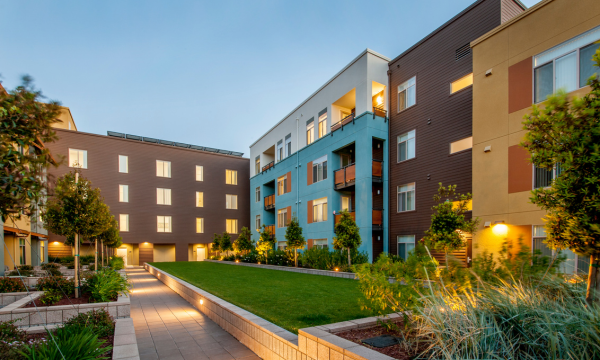
When it comes to maintaining and enhancing multifamily housing properties, exterior commercial painting is one of the most impactful investments property owners and managers can make. From apartment complexes to condominiums, a well-executed paint job not only improves visual appeal but also protects structures and supports long-term asset value. Summer, in particular, is a prime season to tackle these projects due to favorable weather conditions and operational advantages.
In this guide, we’ll explore why summer is the ideal time for exterior painting of multifamily housing units and share best practices to ensure a successful and efficient project.
Why Exterior Painting Matters for Multifamily Properties
Multifamily housing properties experience more wear and tear than single-family homes due to higher occupancy and foot traffic. The exterior serves as both a protective barrier and a first impression for residents, prospective tenants, and visitors.
A fresh coat of paint helps:
- Enhance curb appeal and attract new renters
- Protect surfaces from weather-related damage
- Increase property value and perceived quality
- Reduce long-term maintenance expenses
For property managers, exterior painting is not just cosmetic—it’s a critical component of overall asset management.
Why Summer Is the Best Time for Painting Projects
Summer offers several advantages that make it the preferred season for large-scale commercial painting projects.
1. Optimal Weather Conditions
Warm temperatures and longer daylight hours allow painting crews to work more efficiently. Paint generally adheres and cures best in moderate heat, reducing the risk of delays caused by cold weather or fluctuating temperatures.
2. Faster Project Timelines
With extended daylight, crews can complete more work each day. This is particularly important for large multifamily complexes where timelines can impact resident satisfaction and occupancy.
3. Lower Moisture Risk
Compared to spring or fall, summer typically brings more predictable weather patterns. Lower moisture levels help ensure proper drying and reduce the risk of paint failure due to humidity or rain.
Key Challenges to Plan For
While summer offers advantages, it also presents challenges—especially in regions with high heat or humidity.
- Extreme temperatures can cause paint to dry too quickly
- UV exposure may lead to uneven finishes if not managed properly
- Resident disruption increases with more people at home during summer months
Proper planning helps mitigate these issues and ensures a smooth project.
Best Practices for Exterior Painting of Multifamily Units
1. Conduct a Thorough Property Inspection
Before beginning any painting project, assess the condition of the building exterior. Look for:
- Peeling or cracked paint
- Signs of water damage or mold
- Damaged siding or stucco
Identifying and addressing these issues early prevents delays and ensures a stronger, longer-lasting finish.
2. Prioritize Surface Preparation
Preparation is one of the most critical steps in exterior painting.
This includes:
- Pressure washing to remove dirt and grime
- Scraping and sanding old paint
- Repairing damaged surfaces
- Applying primer where needed
Skipping proper prep can lead to poor adhesion and premature paint failure—especially on large residential buildings.
3. Choose High-Quality, Weather-Resistant Paint
Multifamily properties are exposed to constant environmental stress. Using premium commercial-grade paint ensures durability and long-term performance.
Look for coatings that offer:
- UV resistance to prevent fading
- Moisture protection
- Flexibility to handle expansion and contraction
Investing in quality materials helps reduce maintenance costs over time.
4. Work in Phases to Minimize Disruption
Painting a multifamily property requires careful coordination to avoid inconveniencing residents.
Effective strategies include:
- Painting one building or section at a time
- Clearly communicating schedules to tenants
- Maintaining access to entrances, walkways, and parking areas
A phased approach helps maintain normal operations while work is underway.
5. Schedule Around Peak Heat Hours
In many areas, summer afternoons can become extremely hot, which may affect paint performance and worker safety.
Best practice:
- Schedule work during early morning and late afternoon
- Avoid painting in direct midday sun
- Monitor surface temperatures before applying paint
This ensures better adhesion and a more consistent finish.
6. Communicate Clearly With Residents
One of the biggest challenges in multifamily painting projects is managing tenant expectations. Residents need to know what to expect and how it may affect their daily routines.
Provide:
- Advance notice of painting schedules
- Clear instructions regarding balconies, windows, or vehicles
- Updates on progress and any changes
Good communication helps reduce complaints and increases overall satisfaction.
7. Protect Landscaping and Property Features
Multifamily communities often include landscaping, patios, playgrounds, and shared spaces that must be protected during painting.
Use:
- Drop cloths and coverings
- Protective barriers around plants and fixtures
- Careful oversight to prevent overspray
Maintaining the surrounding environment is just as important as the paint job itself.
8. Ensure Safety Compliance
Safety is essential on any commercial job site, especially in occupied residential communities.
Be sure to:
- Follow OSHA safety guidelines
- Use proper scaffolding and fall protection
- Clearly mark work zones
- Protect residents from hazards
A safe work environment protects both workers and tenants.
9. Plan for Long-Term Maintenance
After the project is complete, ongoing maintenance ensures the paint job lasts as long as possible.
Recommended steps:
- Schedule annual inspections
- Address touch-ups promptly
- Clean exterior surfaces periodically
A proactive maintenance plan helps preserve curb appeal and extends the life of the investment.
Final Thoughts
Exterior commercial painting of multifamily housing units is a significant project with substantial benefits. Summer provides the ideal conditions for completing the work efficiently, but success depends on careful planning, quality materials, and effective communication.
By following best practices—such as thorough preparation, strategic scheduling, and resident coordination—property managers can enhance the appearance, durability, and value of their buildings. Ultimately, a professionally executed exterior paint job not only protects your property but also creates a more attractive and enjoyable living environment for residents.
In a competitive rental market, that can make all the difference.
Related Posts
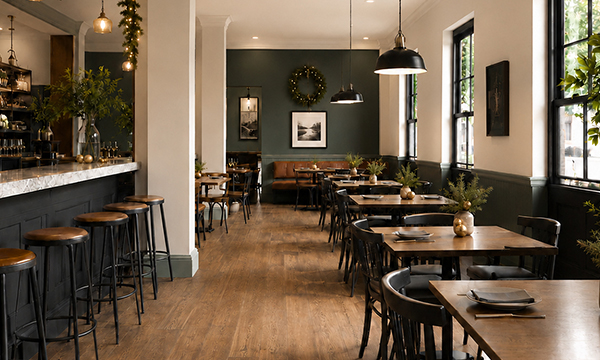
The holiday season is one of the most important revenue periods of the year for restaurants. From corporate holiday parties and family gatherings to seasonal [...]
Retail & Restaurant Facility Business: A fresh coat of paint is one of the most economical ways a retailer, shopping plaza or restaurant can update [...]
Great Place To Work® and Fortune have selected Arch Painting®, the leading nationwide commercial painting contractor, for the 2026 Fortune Best Workplaces in Construction™ List. [...]