

Discover expert tips for exterior commercial painting in North Carolina. Learn how to manage humidity, rain, and mildew for a durable, professional finish this summer.
Exterior commercial painting in North Carolina during the summer presents a unique set of challenges compared to hotter, drier regions like Texas. While temperatures are generally more moderate, high humidity, frequent rainstorms, and coastal weather conditions require a different strategy to achieve a durable and professional finish.
Whether you’re managing a retail property, restaurant, or office building, understanding how North Carolina’s climate impacts painting will help you avoid costly mistakes and extend the life of your investment. Here are ten essential tips to ensure success with your summer commercial painting project in North Carolina.
1. Plan Around Humidity Levels
One of the biggest factors in North Carolina summers is humidity, which can significantly slow paint drying and curing. Excess moisture in the air can prevent paint from properly adhering to surfaces.
Best practice:
- Aim for humidity levels below 70% when painting
- Avoid painting early in the morning when dew is present
- Allow extra drying time between coats
Monitoring humidity is just as important as tracking temperature in this region.
2. Schedule Work Between Rainstorms
Summer in North Carolina often brings afternoon thunderstorms, especially in coastal and inland areas. Sudden downpours can ruin fresh paint and delay projects.
To reduce risk:
- Check short-term weather forecasts daily
- Build flexibility into your project schedule
- Avoid painting if rain is expected within 24 hours
A well-timed project can make the difference between a smooth finish and costly rework.
3. Use Moisture-Resistant Exterior Paint
Due to frequent humidity and rainfall, it’s critical to choose paint specifically formulated for moisture resistance and mildew prevention.
Look for products that offer:
- Mildew-resistant coatings
- Water-repellent properties
- Strong adhesion in humid conditions
High-quality acrylic latex paints are especially effective in protecting commercial buildings in humid Southern climates.
4. Ensure Surfaces Are Completely Dry
Before painting, surfaces must be fully dry—especially after pressure washing or rainfall. Even slight dampness can cause bubbling, peeling, or uneven coverage.
Tip: Wait at least 24–48 hours after cleaning or rain before applying paint. In shaded or humid areas, drying may take longer.
A moisture meter can be a valuable tool for ensuring surfaces are ready.
5. Prioritize Proper Surface Preparation
North Carolina’s environment encourages the growth of mold, mildew, and algae, particularly on shaded or north-facing surfaces.
Preparation should include:
- Power washing with mildew-resistant cleaners
- Scrubbing affected areas thoroughly
- Applying primer where necessary
Skipping this step can cause contaminants to bleed through the new paint and shorten its lifespan.
6. Avoid Peak Heat but Watch Temperature Ranges
While North Carolina doesn’t typically experience extreme heat like Texas, summer temperatures still climb into the 80s and 90s. Paint performs best within a certain range.
Ideal conditions:
- Air temperatures between 60°F and 85°F
- Moderate shade when possible
Painting during early morning (after dew dries) or late afternoon often provides the best balance of temperature and humidity.
7. Work with the Building’s Orientation
Different sides of your building will dry and cure at different rates depending on sun exposure and airflow. Coastal regions may also experience stronger winds and salt air.
Strategy:
- Start on shaded areas and move with the sun
- Allow extra curing time for shaded or damp sides
- Use coatings designed for coastal environments if applicable
This approach helps ensure consistent results across the entire structure.
8. Protect Against Mildew Growth Long-Term
Even after a successful paint job, North Carolina’s climate can lead to mildew over time. Preventative measures are key to maintaining a clean appearance.
Maintenance tips:
- Choose paint with built-in mildewcide
- Clean exterior surfaces annually
- Trim landscaping to improve airflow and sunlight
Preventative care will help preserve both appearance and structural integrity.
9. Safeguard Surrounding Areas and Businesses
Commercial properties often remain open during painting projects. In busy areas like Charlotte, Raleigh, or coastal tourist towns, protecting customers and nearby assets is essential.
Be sure to:
- Cover walkways, signage, and outdoor seating
- Use clear signage to direct customers
- Minimize disruptions during business hours
A professional setup helps maintain customer trust while work is being completed.
10. Plan for Ongoing Maintenance and Inspections
Because of the combination of humidity, rain, and biological growth, painted surfaces in North Carolina require consistent upkeep.
To extend your paint job’s lifespan:
- Conduct annual inspections
- Address peeling or discoloration early
- Schedule periodic cleaning
Regular maintenance can significantly delay the need for a full repaint and protect your initial investment.
Final Thoughts
Exterior commercial painting in North Carolina during the summer requires a different approach than in hotter, drier climates. The key challenges—humidity, rainfall, and mildew growth—demand careful planning, the right materials, and attention to environmental conditions.
By adapting your strategy to local weather patterns and prioritizing proper preparation, you can achieve a long-lasting, high-quality finish that enhances your building’s curb appeal and durability. Whether you’re updating a storefront, restaurant patio, or office exterior, taking these steps will ensure your property looks professional and well-maintained throughout the year.
Related Posts
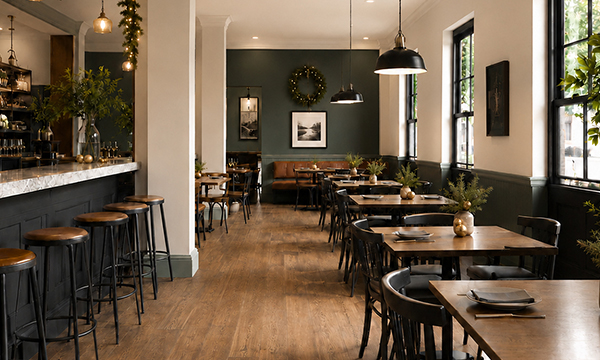
The holiday season is one of the most important revenue periods of the year for restaurants. From corporate holiday parties and family gatherings to seasonal [...]
Retail & Restaurant Facility Business: A fresh coat of paint is one of the most economical ways a retailer, shopping plaza or restaurant can update [...]
Great Place To Work® and Fortune have selected Arch Painting®, the leading nationwide commercial painting contractor, for the 2026 Fortune Best Workplaces in Construction™ List. [...]