

Get expert tips for exterior commercial painting in Texas summer heat. Learn how to handle extreme temperatures, choose the right paint, and ensure long-lasting results.
Painting the exterior of a commercial property in Texas during the summer can be both an opportunity and a challenge. While long days and lower chances of rain can accelerate project timelines, extreme heat, intense sun, and humidity require careful planning and execution. Without the right approach, summer conditions can compromise paint quality, durability, and overall appearance.
If you’re planning a commercial exterior painting project in Texas, here are ten practical tips to ensure a successful, long-lasting finish during the hottest months of the year.
1. Schedule Work During Cooler Hours
Texas’s summer temperatures often exceed 90–100°F, especially in the afternoon. Painting during peak heat can cause paint to dry too quickly, leading to improper curing, streaking, or visible brush marks.
Best practice:
- Start early in the morning (6–10 AM)
- Resume in the late afternoon or early evening
- Avoid painting in direct midday sun
This approach helps maintain consistent application and improves adhesion.
2. Choose Heat-Resistant, High-Quality Paint
Not all paints are created for extreme climates. In Texas, it’s essential to use premium exterior paints designed for high heat and UV exposure.
Look for paints that offer:
- UV resistance to prevent fading
- Flexibility to withstand temperature expansion
- Moisture resistance for humidity and storms
Acrylic latex paints are often the best choice for commercial properties in hot climates due to their durability and breathability.
3. Avoid Direct Sunlight on Surfaces
Painting directly on surfaces exposed to full sunlight can cause the paint to dry unevenly or too quickly, leading to cracking or peeling.
Tip: Work around the building, painting shaded sections first and following the sun as it moves. This technique ensures better consistency and a smoother finish.
4. Monitor Surface Temperature, Not Just Air Temperature
Even if the air temperature seems acceptable, surfaces like metal, brick, and stucco can become extremely hot under direct sunlight—often much hotter than the surrounding air.
Before painting:
- Check surface temperature (ideal is below 90°F)
- Avoid painting surfaces that feel hot to the touch
Applying paint to overheated surfaces can negatively impact adhesion and lead to premature failure.
5. Prepare Surfaces Thoroughly
Proper surface preparation is critical year-round, but especially in summer when dust, dirt, and pollen levels are high.
Key preparation steps include:
- Power washing to remove grime and debris
- Scraping peeling paint
- Sanding rough areas
- Priming exposed surfaces
A clean, smooth surface allows the paint to adhere properly and last longer under harsh conditions.
6. Account for Quick Dry Times
In high heat, paint dries faster than normal. While this may seem like a benefit, rapid drying can reduce working time and create visible lap marks or uneven coats.
To manage this:
- Use paints formulated for extended open time
- Work in smaller sections
- Maintain a wet edge while applying
This ensures a uniform appearance across large commercial surfaces.
7. Watch the Weather Forecast Carefully
Texas summers can bring sudden thunderstorms, high humidity, and strong winds, all of which can disrupt painting projects.
Before starting:
- Check daily weather conditions
- Avoid painting if rain is expected within 24 hours
- Be cautious of high humidity (which slows curing)
Planning around weather changes helps prevent costly rework.
8. Protect Landscaping and Surroundings
Commercial properties often feature landscaping, signage, and outdoor seating areas that need protection during painting.
Use:
- Drop cloths and plastic sheeting
- Painter’s tape for edges and fixtures
- Coverings for outdoor furniture and equipment
This not only protects assets but also keeps the job site clean and professional.
9. Prioritize Safety for Painting Crews
Working in extreme heat can pose serious health risks, including heat exhaustion and dehydration.
Ensure safety by:
- Providing plenty of water and breaks
- Using protective clothing and sunblock
- Scheduling shifts to avoid peak heat
A safe crew is not only more productive but also less likely to make mistakes that affect quality.
10. Plan for Long-Term Maintenance
Texas weather is tough on exterior surfaces. After completing your commercial painting project, implement a maintenance plan to extend the life of the finish.
Maintenance tips:
- Schedule annual inspections
- Touch up high-wear areas regularly
- Clean exterior surfaces periodically
Proactive maintenance helps preserve curb appeal and reduces the need for frequent full repaints.
Final Thoughts
Exterior commercial painting in Texas during the summer requires more than just applying a fresh coat of paint. It demands strategic planning, the right materials, and an understanding of how extreme weather conditions affect the process.
By following these best practices, business owners and property managers can achieve a durable, professional finish that enhances curb appeal, protects building materials, and withstands the Texas heat. Whether you’re updating a retail storefront, restaurant, or office building, investing in the right approach will ensure your property looks its best all year long.
A successful summer painting project isn’t just about speed. It’s about doing the job right, even in challenging conditions.
Related Posts
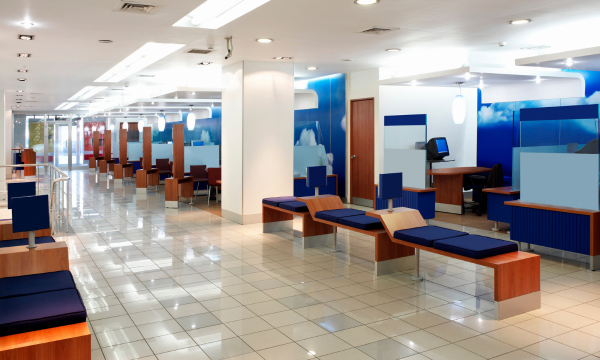
When it comes to commercial painting projects, few environments require more planning, professionalism, and attention to detail than financial institutions. Banks, credit unions, mortgage [...]

Banks operate on trust, security, and convenience. Customers expect uninterrupted access to financial services, whether they are visiting a branch, meeting with a loan [...]
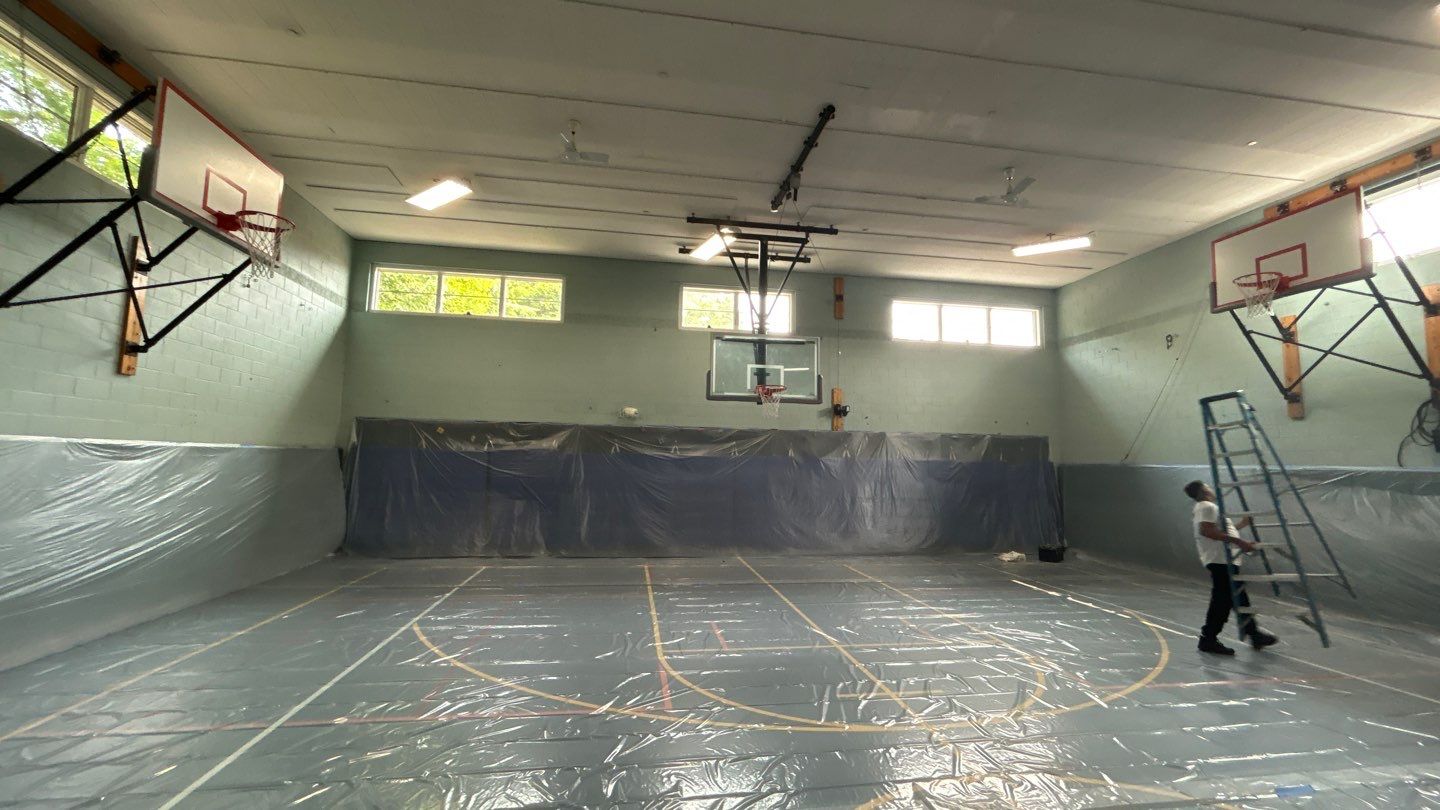
Overview For the past ten summers, while students and teachers enjoy their well-earned break, Arch Painting has partnered with Fayerweather Street School to complete [...]