


Executive Summary
Preserving historic churches, synagogues, mosques, and chapels requires more than a fresh coat of paint—it demands conservation‑minded planning, breathable systems, and meticulous craftsmanship. Professional church painting services stabilize aging substrates, respect original finishes and historic interior paint colors, and design exterior coating systems that shed weather while allowing old buildings to breathe. With phasing around worship schedules, lead‑safe practices, and documentation for historic approvals, a well‑executed project protects sacred art and architecture today while setting a clear path for maintenance tomorrow.
Planning a project? Explore our dedicated Church Painting Services page for details and scheduling: https://archpainting.com/commercial-painting/churches/
Why Painting Matters in Historic Religious Preservation
Architectural, Cultural & Community Significance
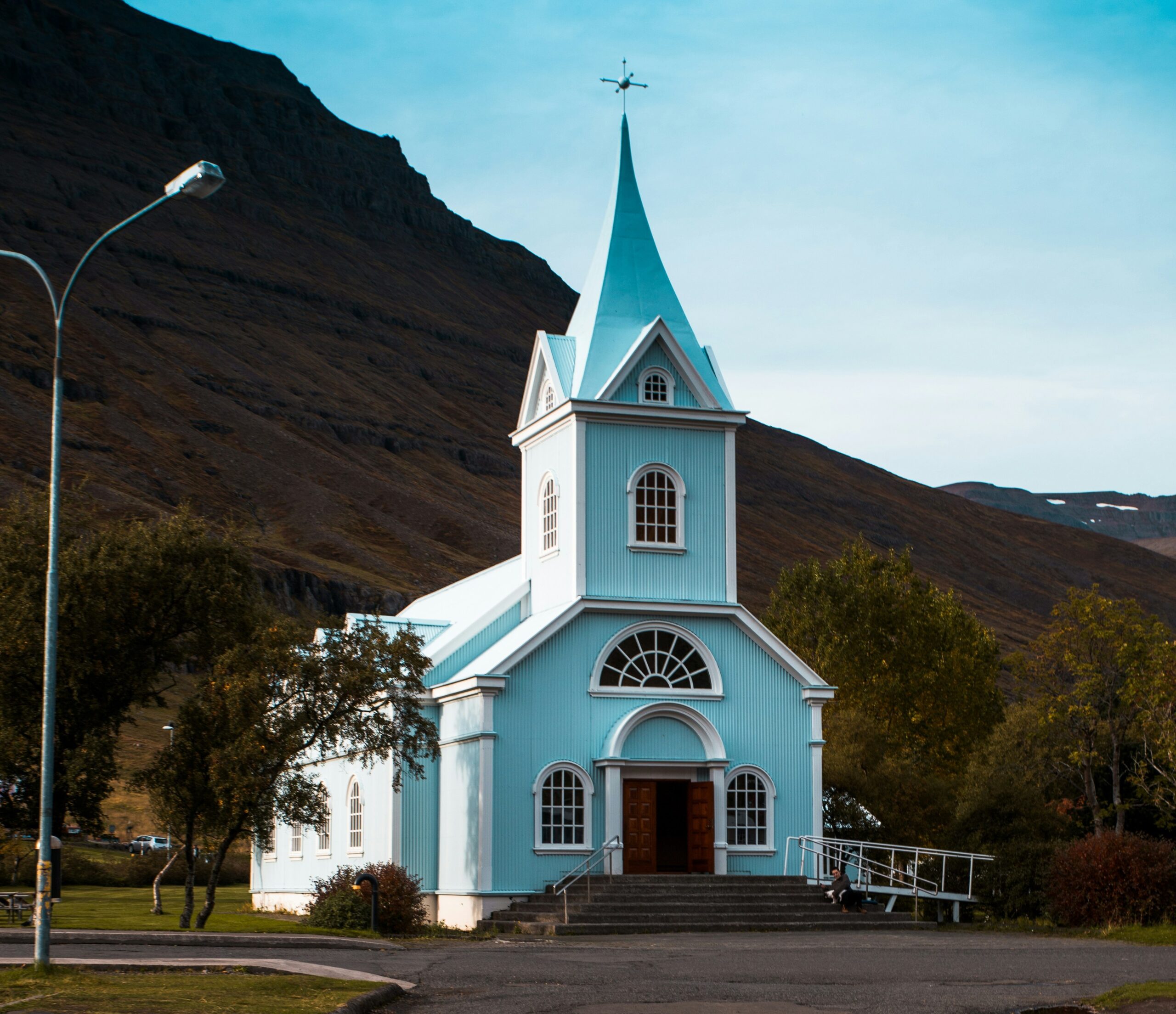
Historic religious spaces embody art, craft, and community identity. Their finishes—from limewashed plaster to oil‑varnished pews—tell stories about the people who built, worshiped in, and maintained these sanctuaries. Appropriate painting preserves these narratives, protects irreplaceable materials from moisture and UV damage, and keeps worship spaces welcoming and dignified for congregants and visitors.
Typical Deterioration in Historic Sanctuaries (Moisture, Salts, UV, Wear)
Time, climate, and occupancy take a toll: hairline plaster cracking; efflorescence where salts migrate through masonry; checking and peeling on sun‑exposed trim; abrasion on pew ends and railings; and soiling around air returns. Left unchecked, these issues escalate into substrate failure and costly repairs. A professional assessment prioritizes the root causes—often moisture and ventilation—before prescribing compatible coatings.
How a Professional Church Painting Service Sustains Long‑Term Integrity
Experienced teams treat the building holistically. That means diagnosing moisture pathways, preserving sound historic layers, and choosing systems that allow aging substrates to dry safely. It also means planning work in phases around services and school use, controlling dust and odors, and protecting artifacts. The outcome: durable finishes that honor the original design—and a roadmap for ongoing care.
From Assessment to Scope: The Role of a Professional Church Painting Service
Historic Interior Paint Colors: Investigation, Sampling & Lab Match
Determining authentic colors starts with a finish investigation: gentle cleaning, test exposure windows, and (when warranted) microscopic paint‑layer analysis. Findings inform historically appropriate palettes or sympathetic updates. Where restoration is the goal, custom color matching reproduces undertones and sheen found in the historic scheme.
Substrate‑by‑Substrate Evaluation (Plaster, Wood, Stone, Masonry)
Plaster may need consolidation and lime‑based patching; woodwork may require dutchman repairs and denibbing; stone and masonry often benefit from pH‑balanced cleaning and breathable primers. Each material gets a tailored prep and coating sequence to maximize adhesion and longevity while protecting the historic fabric.
Lead‑Safe, Containment & Conservation‑Grade Prep (Historic Paint Restoration)
Many historic churches contain lead‑based paint. Our teams follow EPA RRP and industry best practices: containment, HEPA filtration, wet methods where appropriate, and careful waste handling. Prep emphasizes the least aggressive method that achieves a sound surface.
Low‑Odor, Low‑VOC Systems for Active Worship Spaces
Active congregations need safe, usable spaces. Low‑odor, low‑VOC primers and topcoats help maintain air quality, while fast‑cure systems and strategic phasing minimize disruption to services, music rehearsals, and school activities.
Interior Preservation & Finishes
Historic Paint Restoration: Stabilization, In‑Painting & Gentle Cleaning (Historic Painting)
Interior conservation often begins with gentle cleaning to remove soot and airborne soils. Flaking areas are consolidated; losses are filled and in‑painted to blend invisibly with original finishes. Where full repainting is appropriate, pigments and sheens are chosen to reproduce the historic character while meeting modern durability needs.
Plaster Repairs: Lime, Breathable Primers & Vapor‑Open Topcoats
Historic plaster is meant to breathe. Repairs prioritize lime or compatible gypsum/lime mixes, then vapor‑open primers and topcoats that allow moisture to escape. This approach reduces future blistering and supports long‑term stability in humid sanctuaries.
Woodwork, Altars & Pews: Durable, Touch‑Safe Coatings
Hand‑touched surfaces like pews, rails, and doors benefit from abrasion‑resistant clear finishes or enamels with low blocking and smooth lay‑off. Careful sanding sequences retain crisp profiles on moldings and carvings, preserving craftsmanship while improving cleanability and wear resistance.
Decorative Finishes: Gold Leaf, Murals, Iconography & Stencils
Where sacred art is present, protection comes first: temporary barriers, dust control, and stable environmental conditions. Conservation‑minded methods—spot consolidation, reversible coatings, and in‑kind touch‑ups—respect original artwork. For decorative stencils and gilding, shop‑produced samples confirm color, luster, and line quality before field execution.
Moisture & Humidity Management Inside Historic Sanctuaries
Painting succeeds when the environment cooperates. Dehumidification, gutter and downspout tune‑ups, air sealing at roof‑wall intersections, and ventilation improvements reduce condensation and mildew. Monitoring RH and substrate moisture during the project helps ensure coatings cure properly and last.
Exterior Preservation: Envelopes that Breathe & Endure
Historic Exterior Paint: System Design & Specification (Painting Historic Exteriors)
Exterior systems do the heavy lifting against UV, wind‑driven rain, and freeze‑thaw. Specs typically include thorough washing, targeted carpentry, primer tuned to the substrate, and topcoats with UV resistance and color retention. Where historic character guides finish selection, satin or low‑sheen products often best express period details.
Painting Historic Brick Buildings: Mineral/Silicate Coatings & Moisture Control
Masonry needs to exhale. Breathable mineral or silicate coatings can color and protect brick and stone without trapping moisture, reducing spalling and efflorescence risk. Before coating, we address capillary water wicking, repoint with compatible mortar, and confirm that previous non‑breathable films (if present) are managed appropriately.
Clapboard, Trim & Steeples: UV, Weathering & Access Planning
High exposures—steeples, cornices, south‑ and west‑facing elevations—require meticulous prep, robust primers, and topcoats with proven gloss and color retention. Access planning (lifts, scaffolding, or rope access) balances safety, efficiency, and protection for landscaping and memorials.
Historic Metalwork (Crosses, Railings, Gutters): Prep & Protective Coatings
Ferrous metals benefit from rust stabilization, profile creation, and barrier primers before durable enamel or urethane topcoats. For copper and zinc features, non‑reactive cleaning and clear protective systems preserve patina and extend service life.
Ready to discuss your exterior or interior project? Schedule a site assessment: https://archpainting.com/commercial-painting/churches/
Compliance, Approvals & Documentation
Secretary of the Interior’s Standards: Practical Implications for Finishes
We align finish decisions with widely accepted preservation principles: retain and repair historic materials where feasible; replace in‑kind when necessary; and ensure new coatings are compatible and reversible where possible. This approach supports approval with diocesan offices and local preservation commissions.
Working with Historic District Commissions & Diocesan Guidelines
From early consultation through final inspection, we provide submittals, safety plans, and schedule narratives tailored to each authority. Clear communication streamlines approvals and avoids late‑stage surprises.
Mockups, Submittals, Color Boards & As‑Found Documentation
Physical mockups and color boards confirm sheen, texture, and hue under real site lighting. “As‑found” photos, substrate maps, and maintenance notes become part of your building’s living record and inform future work.
Safety, Logistics & Congregational Continuity
Phased Scheduling Around Services, School & Community Use
We build schedules around worship and school calendars, using off‑hours and segmented zones. This keeps sanctuaries operational and safe while work progresses. For large campuses, we phase by building or floor and sequence high‑impact areas between major services, weddings, and funerals. Detailed look‑ahead schedules, daily cleanup standards, and clear egress routes are agreed upon in advance so parish life continues seamlessly. When unforeseen events arise, a designated site lead coordinates rapid resequencing to maintain access and minimize disruption. Post‑service walk‑throughs verify that aisles, pews, altars, classrooms, and entries return to a clean, welcoming condition each day.
Scaffolding, Lifts, Encapsulation & Site Protection
Walk‑off mats, dust walls, pew and floor protection, and exterior landscape shielding keep the site clean and respected. Encapsulation and negative air where needed contain dust and odors. We select access systems—scaffolding, aerial lifts, or rope access—based on height, floor loading, and artifact proximity, with engineered tie‑offs and fall‑protection plans. All contact points are padded and isolated from historic fabric; organ lofts, pulpits, and delicate millwork receive additional physical barriers. Daily white‑glove checks and photo logs document conditions before, during, and after work so that protective measures are maintained and the sanctuary remains dignified throughout.
Protecting Stained Glass, Organs & Artworks During Painting
Temporary protection systems and coordination with conservators ensure stained glass, pipe organs, textiles, and statuary are safeguarded. Environmental stability is maintained during work. We use non‑reactive coverings, soft barriers, and micro‑vacuuming near delicate surfaces; solvent work is isolated and monitored. For pipe organs, we coordinate with the tuner to schedule intake closures and post‑work inspection. Stained glass is protected with rigid shields and edge gaskets, and any adjacent scaffolding is offset to avoid frame loading. A chain‑of‑custody plan governs handling of movable objects so sacred art is tracked, labeled, and returned exactly as found.
Communication Plans with Clergy, Staff & Parishioners
Clear notices, wayfinding, and weekly updates help congregations feel informed and safe. A visible project lead provides a single point of contact for questions or special events. Before mobilization, we hold a kickoff meeting to align on safety, noise windows, odor control, and emergency procedures; then we publish a simple dashboard with phase maps, dates, and status. Signage in English plus additional languages as needed keeps visitors oriented. After each phase, we solicit feedback from clergy and facilities staff to adjust staging, access routes, and cleaning protocols for the next segment.
Budgeting & Funding for Historic Church Projects
Prioritizing Scope: Value Engineering without Compromise
We prioritize interventions that stop deterioration first—water management, substrate repairs, and breathable primers—then address aesthetics. Strategic phasing spreads costs while protecting what matters most. Where budgets are tight, we recommend targeted conservation in high‑risk zones and durable repaints in lower‑risk areas so dollars deliver the greatest preservation return. Alternates and unit‑cost breakouts let committees make informed trade‑offs without sacrificing compatibility or safety. Mockups verify that any value‑engineering decisions still meet visual and performance expectations before they are adopted project‑wide.
Grants, Donations & Multi‑Year Maintenance Plans
Many congregations fund preservation through a mix of grants and stewardship campaigns. We help assemble realistic multi‑year plans so annual maintenance (washing, touch‑ups, sealant checks) keeps major repaint cycles predictable and affordable. Phased scopes align with fiscal years and giving calendars, while grant narratives emphasize material compatibility, reversibility, and community impact. We also provide simple care guides—what to clean, how often to inspect, and early warning signs—so volunteers and facilities teams can protect finishes between professional visits.
Results in Practice (Brief Case Snapshots)
Exterior Recoat of a Historic Brick Church (Breathable System, Efflorescence Control)
Assessment identified trapped moisture from prior non‑breathable paint. We remediated with selective removal, masonry repairs, and a mineral coating. Moisture readings guided sequencing so walls dried to target before coating; we improved drainage at grade and re‑detailed downspouts to reduce splashback. The mineral system delivered high vapor permeability and colorfastness, and a one‑year review showed sharply reduced efflorescence with crisp mortar definition retained.
Sanctuary Plaster & Decorative Paint Restoration (Color‑Match to Historic Palette)
Finish investigation revealed a warm, mineral‑based palette beneath later layers. After stabilization and patching, we in‑painted losses and matched colors to the original hue family, yielding a cohesive, historically sympathetic interior. Fragile gilding and stencil borders were protected with reversible barriers during adjacent repainting, and lighting tests ensured sheens read correctly during services. Parish feedback highlighted improved legibility of carved details and a brighter, unified sanctuary without a “new paint” glare.
Steeple Repaint & Access Strategy (Safety, Weather Windows, Timeline)
A tailored access plan combined lift work with targeted staging to minimize site impact. UV‑resistant primers and topcoats extended service life in the most weather‑exposed locations. We scheduled coatings around wind forecasts and dew‑point spreads to protect cure quality, with contingency days pre‑built into the calendar. Public‑facing signage communicated safety zones, and weekend demobilizations preserved parking and event access. The result was a faster, safer steeple repaint with minimal disruption to parish activities.
Key Takeaways
- Professional church painting services protect historic fabric while maintaining worship continuity.
- Authentic results rely on research‑driven historic interior paint colors and compatible, breathable systems.
- Historic paint restoration emphasizes minimal intervention and conservation‑grade methods.
- Painting historic exteriors—especially historic brick buildings—demands moisture‑smart, vapor‑open coatings.
- Lead‑safe, low‑VOC practices and clear documentation keep projects compliant and congregations safe.
FAQs about Historic Church Painting Services
What’s the difference between repainting and historic paint restoration?
Repainting focuses on aesthetics and protection; historic paint restoration prioritizes stabilizing original layers, retaining sound historic material, and using compatible, often reversible methods. Conservators or conservation‑minded painters start by mapping conditions, testing cleaning methods, and identifying where loss or failure is occurring. In many sanctuaries, the best approach blends the two: conserve where original finishes remain significant and repaint where later layers or severe deterioration require full coating renewal. This balanced method preserves authenticity while delivering a durable, beautiful result for active worship.
How do you determine historic interior paint colors for a church?
We start with a finish investigation—cleaning tests, exposure windows, and sometimes lab analysis—to identify original hues and layer sequences. Microscopic cross‑sections can reveal the initial palette and sheen, while on‑site mockups confirm how candidates read under sanctuary lighting. If a full restoration isn’t feasible, we specify sympathetic colors that honor undertones and value relationships found in the historic scheme. The goal is a cohesive visual language that respects the architecture and iconography while standing up to modern use.
What paint systems work best for painting historic exteriors?
Systems are substrate‑specific, but breathable primers and topcoats with strong UV and moisture resistance are common. For wood, flexible primers and high‑build finish coats help bridge checking without smothering the substrate. For masonry, mineral/silicate or other vapor‑open coatings reduce spalling risk by allowing trapped moisture to escape. Every specification begins with solving water entry and preparing sound surfaces; the right system then preserves detail, sheds weather, and simplifies future maintenance.
Can you paint historic brick buildings without trapping moisture?
Yes—when the substrate is dry, water paths are addressed, and coatings are vapor‑open. We often recommend mineral/silicate systems because they form a micro‑crystalline bond that allows moisture to migrate outward while resisting UV and pollutants. Prior non‑breathable films may require selective removal or perforation strategies to re‑establish drying potential. Repointing with compatible mortar and improving site drainage are just as important as the coating choice for long‑term success.
Do we need to close the church during painting, or can services continue?
Most projects proceed with phased work areas and off‑hour scheduling so services, rehearsals, and school activities can continue safely. Low‑odor products, negative‑air zones, and daily cleanup protocols keep spaces comfortable and dignified. We coordinate directly with clergy and facilities staff to avoid sacraments and high‑attendance events, building contingency buffers into the schedule. Clear signage and wayfinding ensure parishioners know where to enter and which areas are temporarily off limits.
How do you handle lead‑based paint and other hazards in older buildings?
We follow lead‑safe protocols—containment, HEPA filtration, wet methods where appropriate, and proper disposal—tailored to occupied sacred spaces. Crews are trained in EPA RRP and site‑specific safety plans, with air monitoring available when required by the authority having jurisdiction. We also assess ancillary risks like elevated work, electrical proximity, and organ intake locations to prevent dust migration. Final clearance cleaning returns spaces to worship‑ready condition.
How long will a historic church painting project last before maintenance is needed?
Service life varies by exposure and substrate, but many interiors perform 8–12 years with periodic cleaning and touch‑ups; exteriors often benefit from inspection and selective maintenance every 3–5 years. High‑UV elevations, coastal locations, and steeples may require shorter cycles, which we address with higher‑performance topcoats and more frequent washing. A simple annual checklist—wash, inspect sealants, spot‑prime failures—extends coating life and protects the underlying historic fabric. Documenting each cycle builds a maintenance history that informs smarter future budgeting.
What factors most affect the cost of a church painting service?
Scope complexity, access (steeples, high vaults), substrate condition, hazardous materials, and required documentation all influence pricing. Historic projects typically include investigation, mockups, and submittals, which add value by preventing costly rework. Access planning and protection of sacred art also drive duration and manpower. An early site assessment with itemized options helps committees phase work responsibly and align budgets with preservation priorities.
Related Reading
- Seasonal Maintenance Painting for Property Managers — https://archpainting.com/seasonal-property-maintenance-painting/
- Timing National Painting Projects for Best Weather — https://archpainting.com/timing-national-painting-projects-for-best-weather/
- Understanding the Timeline for Painting Commercial Properties — https://archpainting.com/timeline-for-painting-commercial-properties/
Request a Church Painting Consultation
From first assessment to final blessing, our team treats sacred spaces with the care they deserve—lead‑safe practices, breathable systems for historic fabric, and scheduling that respects worship. Whether you’re addressing peeling exteriors, stabilizing plaster, or matching historic interior paint colors, we’ll design a solution that preserves character and keeps your congregation comfortable. Schedule a site visit today and see how Arch Painting can protect your church for the next generation.
Related Posts
When guests leave reviews, they rarely talk only about the food. They comment on ambiance, cleanliness, vibe, lighting, and overall restaurant appearance. That’s why a [...]
In the fast-paced and competitive restaurant industry, first impressions are everything. While menu quality and customer service are essential, the physical appearance of your restaurant [...]

Overview A well-known neighborhood bar and grill with more than 1,000 locations across the United States, turned to Arch Painting when it was time [...]