
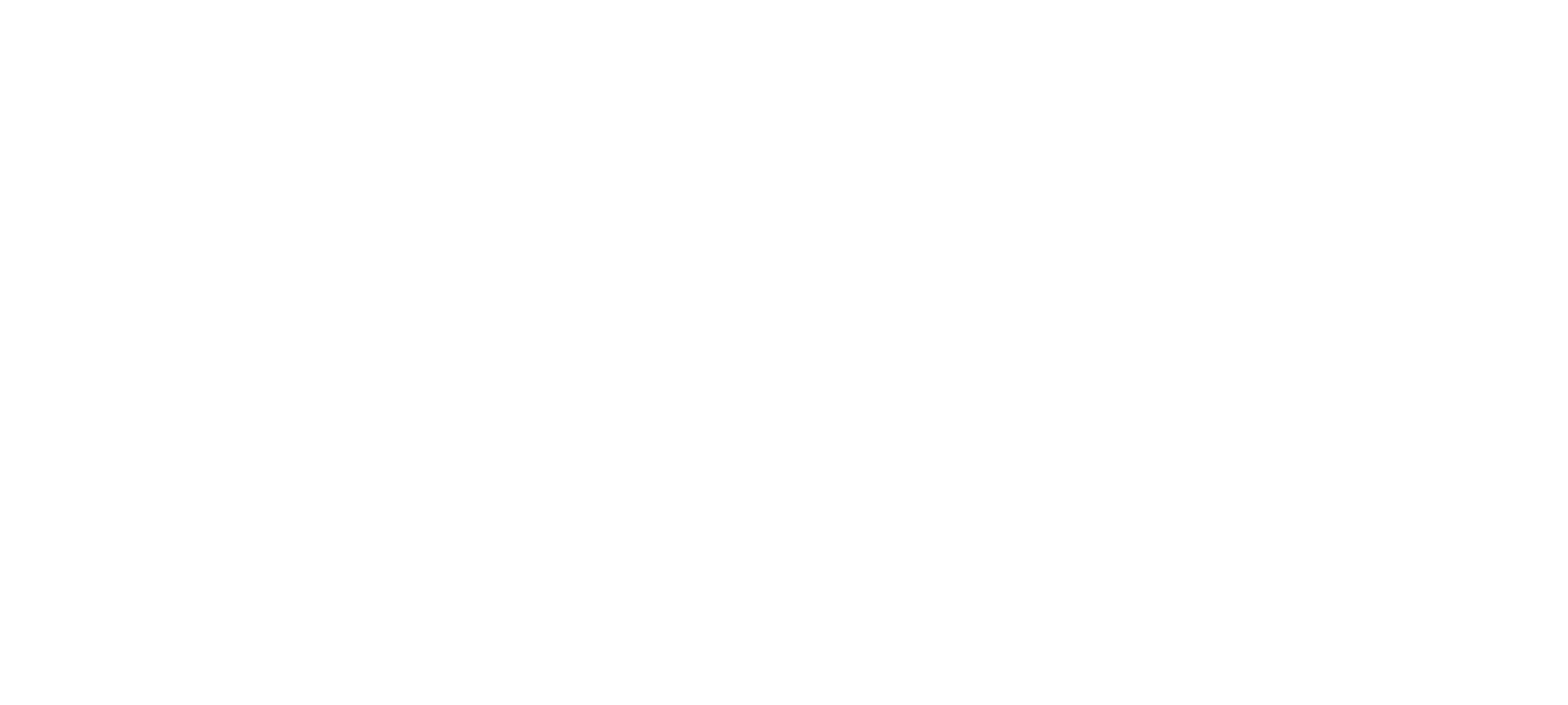

Learn how campus aesthetics and strategic painting influence student experience, recruitment, and brand image for colleges and universities.
A college or university campus is one of its most visible brand assets. Long before prospective students review academic programs or rankings, they form impressions based on how the campus looks and feels. Campus aesthetics play a powerful role in shaping student experience, recruitment decisions, and institutional brand image, and painting is one of the most effective tools for influencing those perceptions.
From first impressions on tours to daily student interactions with campus spaces, thoughtful painting strategies help institutions present themselves as modern, welcoming, and well‑managed.
The Role of Campus Appearance in Student Perception
Students spend years living, studying, and socializing on campus. The visual condition of buildings directly impacts how they feel about their institution.
Well‑maintained, freshly painted spaces communicate:
- Pride in the campus environment
- Organizational competence
- Investment in student success
In contrast, faded paint, scuffed walls, or inconsistent color schemes can suggest neglect—even when academic programs are strong. Over time, these visual cues influence student satisfaction and overall experience.
First Impressions During Campus Tours Matter
Campus tours are among the most influential factors in enrollment decisions. Prospective students and families often make emotional judgments quickly, based on subconscious signals.
Fresh paint improves:
- Brightness and cleanliness of interiors
- Visual cohesion across tour routes
- Perception of care and investment
Tour routes that include student centers, libraries, residence halls, classrooms, and dining facilities benefit greatly from updated paint finishes. Even small upgrades can positively influence how a campus is remembered after the tour ends.
Aligning Paint Colors With School Branding
Branding doesn’t stop at logos and marketing materials—it extends into physical spaces. Aligning campus paint colors with school branding strengthens institutional identity and creates more cohesive environments.
Reinforcing School Identity
Strategic use of school colors in:
- Common areas
- Accent walls
- Entryways and hubs
helps reinforce pride and consistency without overwhelming spaces.
Improving Visual Consistency
Over time, campuses often develop mismatched colors due to phased renovations. Developing paint standards aligned with branding allows institutions to:
- Reduce visual fragmentation
- Create seamless transitions between buildings
- Support brand recognition during recruitment events
Paint becomes a subtle yet powerful branding tool when applied consistently.
Updating Older Buildings to Match Modern Facilities
Most campuses include a mix of historic structures and newly constructed facilities. While new buildings often showcase modern finishes, older buildings can feel outdated—even if they remain structurally sound.
Strategic repainting is one of the most affordable ways to modernize older buildings without major capital investments.
Creating Cohesion Across Campus
Updated, neutral, and contemporary paint palettes help older buildings:
- Match the look and feel of newer facilities
- Feel brighter and more current
- Continue supporting recruitment and retention goals
This approach bridges the visual gap between generations of campus architecture.
Supporting Student Experience and Retention
Campus appearance affects more than recruitment—it influences whether students feel comfortable and engaged once they arrive.
Clean, well‑painted environments support:
- Focus and comfort in academic spaces
- Pride in residence halls and common areas
- A sense of belonging and trust in the institution
When students see consistent investment in campus spaces, it reinforces confidence in their decision to attend and remain enrolled.
Paint as a Low‑Cost Way to Modernize Campus Appearance
Large‑scale renovations are expensive and disruptive. Painting offers a high‑impact, low‑cost alternative that delivers immediate visual improvement.
Maximizing ROI for Administrators
Compared to structural upgrades, painting:
- Requires lower upfront investment
- Can be phased over time
- Delivers visible results quickly
For administrators managing limited capital budgets, painting offers one of the strongest returns on perception and usability.
Supporting Long‑Term Facilities Planning
Institutions that integrate painting into long‑term facilities plans benefit from:
- Predictable maintenance cycles
- Reduced deferred maintenance
- More consistent campus standards
Paint projects become a proactive strategy rather than a reactive fix.
Visual Consistency Builds Trust and Confidence
A cohesive campus aesthetic signals stability, professionalism, and care. Prospective students, parents, donors, and faculty often interpret visual consistency as evidence of strong leadership and planning.
Strategic painting helps:
- Unify diverse buildings
- Improve wayfinding and spatial clarity
- Strengthen institutional credibility
These benefits extend beyond appearance into reputation and brand perception.
Why Professional Campus Painting Matters
Achieving visual consistency across a campus requires professional expertise. Commercial painting contractors experienced in higher‑education environments help institutions:
- Develop and maintain color standards
- Coordinate work around academic calendars
- Use low‑VOC products in occupied buildings
- Apply finishes consistently across multiple facilities
Professional execution ensures paint supports both branding and long‑term durability.
Final Thoughts
Campus aesthetics significantly influence student experience, recruitment success, and institutional brand image. Through strategic painting, colleges and universities can modernize spaces, reinforce identity, and create environments that feel welcoming and intentional.
As a low‑cost, high‑impact investment, painting gives administrators a practical way to enhance perception, support enrollment goals, and demonstrate long‑term stewardship of campus spaces.
Related Posts
The holiday season is one of the most important revenue periods of the year for restaurants. From corporate holiday parties and family gatherings to seasonal [...]
Great Place To Work® and Fortune have selected Arch Painting®, the leading nationwide commercial painting contractor, for the 2026 Fortune Best Workplaces in Construction™ List. [...]

As the holiday shopping season approaches, retailers, shopping plazas, and malls begin preparing for their busiest and most profitable period of the year. While merchandising, [...]