

Learn how strategic commercial painting improves campus safety, wayfinding, and ADA accessibility for colleges and universities while supporting compliance and efficiency.
For colleges and universities, painting is far more than a cosmetic upgrade. When planned strategically, professional commercial painting plays a vital role in enhancing campus safety, improving wayfinding, and supporting ADA accessibility compliance. For facility directors and campus operations leaders, a thoughtful painting strategy can reduce risk, improve efficiency, and create safer, more inclusive learning environments.
From color‑coded hallways to slip‑resistant floor coatings, here’s how strategic campus painting improves daily operations and long‑term performance across higher‑education facilities.
Improving Campus Wayfinding with Color‑Coded Areas
Large college and university campuses can be difficult to navigate—especially for new students, visitors, and emergency responders. Strategic use of color is one of the most effective tools for improving wayfinding without relying solely on signage.
Color‑Coded Hallways, Floors, and Departments
Many institutions now use color‑coded hallways, wings, or floors to create visual cues that help people orient themselves quickly. Assigning distinct color palettes to academic departments, residence halls, or building sections simplifies navigation and reduces confusion.
For example:
- Different academic departments use unique accent colors
- Residence halls assign colors by floor or wing
- Student services areas differ visually from instructional spaces
These subtle design choices improve the user experience while helping facility teams manage traffic flow more efficiently.
Supporting Emergency Response and Safety
Wayfinding colors are particularly valuable during emergencies. First responders can locate areas faster when buildings and corridors have clear visual differentiation, improving response times in critical situations.
Enhancing Safety with High‑Visibility Paint Applications
Campus safety is a top priority for facilities teams, especially in high‑traffic areas. Strategic use of high‑visibility paint helps reduce accidents and supports compliance with safety standards.
Stairwells and Handrails
Stairwells are among the most common locations for campus injuries. Painting stair edges, risers, and handrails in high‑contrast colors improves visibility and depth perception, reducing slip‑and‑fall incidents.
Contrast between steps, walls, and railings is especially important for:
- Students and staff with visual impairments
- Low‑light stairwells and older buildings
- High‑traffic transition areas
Parking Structures and Service Zones
Parking decks, loading docks, and service corridors benefit greatly from bold, durable paint markings. High‑visibility striping improves:
- Vehicle and pedestrian traffic flow
- Identification of walkways and exit paths
- Awareness of clearance heights and restricted areas
These markings enhance safety while protecting campus infrastructure and vehicles.
Supporting ADA Accessibility Through Strategic Painting
Strategic painting is a critical component of ADA‑compliant campus design, helping institutions provide equitable access for all users.
Visual Contrast for Accessibility
ADA guidelines emphasize visual contrast to improve usability for individuals with low vision. Proper contrast between surfaces helps identify key transitions and reduces confusion.
Examples include:
- Contrasting door frames and doors
- Stair nosing in high‑contrast colors
- Handrails that visually stand out from walls
Professional commercial painters understand how to implement ADA‑compliant contrast while maintaining institutional branding and design standards.
ADA‑Compliant Striping and Signage
Accessible parking spaces, curb ramps, crosswalks, and entry points rely on precise, durable paint application. Consistent, ADA‑compliant markings across campus help:
- Maintain regulatory compliance
- Reduce risk of citations or retrofits
- Improve clarity for visitors and students
Reducing Slip‑and‑Fall Risks with Specialty Floor Coatings
Slip‑and‑fall incidents are a major liability concern for colleges and universities. Strategic use of specialty floor coatings significantly reduces these risks.
Anti‑Slip Coatings in High‑Risk Areas
Professional painting contractors can apply non‑slip coatings in areas such as:
- Building entryways
- Restrooms and locker rooms
- Laboratories
- Dining facilities
- Recreation and pool areas
These coatings improve traction without sacrificing cleanability or appearance, making them ideal for spaces exposed to moisture or frequent cleaning.
Durable, Low‑Maintenance Solutions
Specialty coatings are designed to withstand heavy foot traffic, harsh cleaning chemicals, and extended operational hours. Their durability reduces maintenance cycles and supports long‑term cost control—key priorities for campus operations teams.
Improving Operational Efficiency Across Campus
Strategic campus painting supports daily operations in multiple ways:
- Clear visual zones help security and custodial staff work more efficiently
- Durable coatings reduce repainting frequency
- Standardized color systems simplify inspections and documentation
- Well‑marked spaces improve coordination during renovations or phased projects
Painting projects can also be scheduled during academic breaks, evenings, or off‑hours to minimize disruption—especially when managed by experienced commercial painting contractors familiar with campus settings.

Why Professional Commercial Painting Matters for Colleges and Universities
Educational facilities require more than standard painting services. Professional campus painters bring:
- Experience with ADA and safety regulations
- Knowledge of low‑VOC, quick‑cure products for occupied buildings
- Expertise in large‑scale and phased campus projects
- Consistent quality across multiple facilities
For facility directors, working with qualified commercial painters ensures painting projects support safety, compliance, and long‑term campus planning goals.
Final Thoughts
Strategic painting is a powerful tool for improving campus safety, navigation, and accessibility. Through thoughtful use of color coding, high‑visibility markings, ADA‑compliant contrast, and slip‑resistant coatings, colleges and universities can create safer, more inclusive, and more efficient environments.
For higher‑education institutions focused on student well‑being, compliance, and operational performance, professional painting is not just an aesthetic upgrade—it’s a critical infrastructure investment.
Related Posts
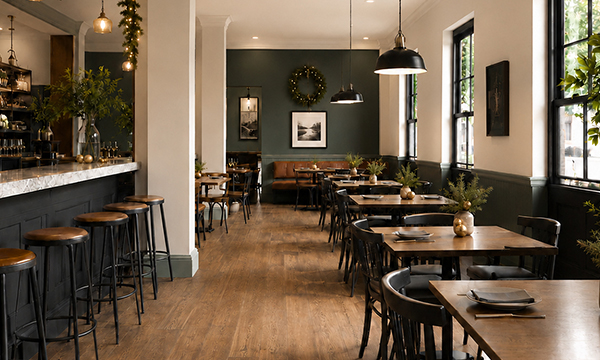
The holiday season is one of the most important revenue periods of the year for restaurants. From corporate holiday parties and family gatherings to seasonal [...]
Great Place To Work® and Fortune have selected Arch Painting®, the leading nationwide commercial painting contractor, for the 2026 Fortune Best Workplaces in Construction™ List. [...]

As the holiday shopping season approaches, retailers, shopping plazas, and malls begin preparing for their busiest and most profitable period of the year. While merchandising, [...]