


When it comes to maintaining and enhancing commercial real estate, professional painting is one of the most effective investments property owners can make. A fresh coat of paint can improve curb appeal, protect building surfaces, increase tenant satisfaction, and strengthen property value. However, not all commercial painting projects are the same.
While apartment buildings and shopping plazas may appear similar from a construction and maintenance perspective, they serve very different audiences and require distinct painting strategies. Understanding the differences between apartment building painting and shopping plaza painting can help property managers, REITs, and commercial property owners maximize their return on investment and achieve their business goals.
Why Commercial Painting Matters for Both Property Types
Whether managing a multifamily community or a retail center, commercial painting plays a critical role in protecting the property and maintaining a positive first impression.
Professional commercial painting helps:
- Improve curb appeal
- Protect exterior surfaces from weather damage
- Increase property value
- Extend the life of building materials
- Enhance tenant satisfaction
- Support leasing and occupancy goals
However, how these benefits are achieved varies significantly between apartment communities and shopping plazas.
Apartment Building Painting Focuses on Resident Satisfaction
For apartment owners and multifamily property managers, painting projects are often driven by the need to attract and retain residents.
When prospective renters visit a community, the property’s appearance immediately influences their perception of the management team and the overall living experience. Faded paint, peeling surfaces, and outdated color schemes can make an otherwise desirable property look neglected.
Goals of Apartment Building Painting
Commercial painting for apartment buildings is typically designed to:
- Increase apartment occupancy rates
- Improve resident retention
- Enhance curb appeal
- Modernize aging communities
- Support higher rental rates
- Improve resident satisfaction
Because residents view the property as their home, creating a welcoming and comfortable environment is a primary objective.
Shopping Plaza Painting Focuses on Customer Attraction
Retail properties have a different purpose.
A shopping plaza must appeal not only to tenants but also to customers visiting retail stores, restaurants, and service providers.
The appearance of the property can influence customer perceptions, foot traffic, and the success of tenant businesses.
Goals of Shopping Plaza Painting
Painting projects for retail centers are often intended to:
- Increase customer traffic
- Enhance the shopping experience
- Attract new retail tenants
- Support tenant retention
- Improve property visibility
- Strengthen market positioning
Unlike apartment buildings, where the focus is on creating a residential atmosphere, shopping plazas are designed to create an appealing commercial environment that encourages consumer activity.
Scheduling Challenges Are Completely Different
One of the biggest differences between apartment building painting and shopping center painting involves project scheduling.
Apartment Painting Projects
Apartment communities are occupied around the clock.
Painting contractors must work around:
- Resident schedules
- Parking availability
- Building access
- Community activities
- Quiet hours
- Resident safety concerns
Many apartment painting projects are completed in carefully managed phases to minimize disruptions and maintain access to entrances, amenity spaces, and common areas.
Shopping Plaza Painting Projects
Retail properties present a different challenge.
Businesses depend on customer access and visibility during operating hours. As a result, painters often work:
- Early mornings
- Overnight hours
- Weekends
- During store closures
- During low-traffic business periods
The primary objective is to reduce disruptions to tenant operations and avoid interfering with customer traffic.
Different Areas Require Different Coating Solutions
The surfaces being painted often experience very different forms of wear and tear.
Apartment Building Painting Areas
Common apartment property painting projects include:
- Exterior building façades
- Hallways and corridors
- Clubhouses
- Leasing offices
- Fitness centers
- Stairwells
- Mail rooms
- Pool areas
These spaces require coatings that balance durability, appearance, and resident comfort.
Shopping Plaza Painting Areas
Retail centers frequently require painting for:
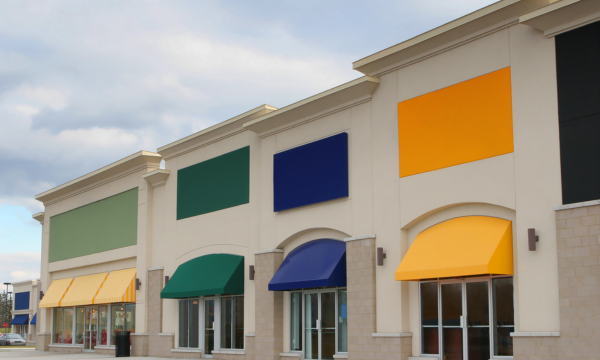
- Storefronts
- Exterior façades
- Sidewalk overhangs
- Public restrooms
- Food court areas
- Common walkways
- Parking structures
- Tenant signage areas
These areas often face heavier daily traffic and require highly durable commercial coatings capable of handling frequent cleaning and exposure to customers.
Color Selection Plays a Different Role
Color selection is another area where apartment communities and shopping plazas differ significantly.
Apartment Community Color Strategies
Apartment owners typically prioritize colors that create a sense of comfort and familiarity.
Popular choices include:
- Warm neutrals
- Contemporary grays
- Earth tones
- Soft accent colors
The goal is to create a welcoming environment that appeals to a wide range of residents.
Shopping Plaza Color Strategies
Retail properties often focus on visibility and branding.
Property owners may choose colors that:
- Support tenant branding
- Improve visibility from the street
- Create a vibrant atmosphere
- Enhance architectural features
- Improve customer wayfinding
Shopping plazas must balance individual tenant identities while maintaining a cohesive appearance throughout the center.
Tenant Communication Requirements Are More Complex in Retail Centers
Communication is critical for every commercial painting project.
Apartment Communities
In multifamily properties, communication typically occurs between:
- Property management
- Residents
- Maintenance teams
- Painting contractors
Project updates are generally distributed through resident notices, emails, community apps, or signage.
Shopping Plazas
Retail properties often involve multiple business owners and operators.
Contractors may need to coordinate with:
- Retail store managers
- Restaurant operators
- Medical offices
- Service providers
- Property management teams
Each tenant may have unique operating hours and business requirements, making communication far more complex.
Measuring Return on Investment
Commercial painting is ultimately an investment, but success is measured differently depending on the property type.
Apartment Building Painting ROI
Property owners often evaluate success based on:
- Higher occupancy rates
- Improved lease renewals
- Increased renter interest
- Stronger rental income
- Enhanced resident satisfaction
A fresh, professionally painted apartment community can help attract qualified residents and reduce vacancy rates.
Shopping Plaza Painting ROI
Retail property owners typically measure results through:
- Increased tenant retention
- Improved leasing activity
- Enhanced customer perception
- Stronger property positioning
- Improved curb appeal
The visual condition of a shopping center can directly influence both tenant success and future leasing opportunities.
Choosing the Right Commercial Painting Contractor
Whether you’re planning an apartment building painting project or a shopping plaza renovation, selecting the right contractor is critical.
Look for a commercial painting company with:
- Experience in your specific property type
- Strong safety practices
- Project management capabilities
- Tenant communication expertise
- High-quality coating systems
- References from similar commercial properties
A contractor who understands the unique challenges of your asset class will be better equipped to deliver a successful project while minimizing operational disruption.
Final Thoughts
Although apartment buildings and shopping plazas both require professional commercial painting services, the objectives, stakeholders, and project requirements are vastly different.
Apartment building painting is primarily focused on increasing occupancy, improving resident satisfaction, and enhancing the living experience. Shopping plaza painting is centered on attracting customers, supporting retail tenants, and strengthening the property’s competitive position.
By understanding these differences, commercial property owners, REITs, and property managers can make more informed decisions, develop effective maintenance strategies, and maximize the long-term value of their real estate investments.
Related Posts
Apartment Building Painting vs. Shopping Plaza Painting: Key Differences Property Owners Should Know
When it comes to maintaining and enhancing commercial real estate, professional painting is one of the most effective investments property owners can make. A [...]
In multifamily property management, every vacant apartment represents lost revenue. While marketing and leasing efforts play an important role in attracting new residents, one [...]
In today's competitive multifamily housing market, apartment owners and property managers are constantly looking for effective ways to attract new residents and retain existing [...]