

For property managers and facilities directors overseeing warehouses, manufacturing plants, and commercial distribution centers, floor condition directly impacts worker safety, operational uptime, and regulatory compliance. A compromised floor surface creates trip hazards, increases slip-and-fall incidents, and exposes the concrete substrate to accelerating damage from chemical spills and heavy equipment traffic.
Industrial floor coatings address these risks by bonding protective resinous systems to concrete, creating surfaces engineered for specific operational demands. Arch Painting, Inc delivers industrial floor coating services designed for 24/7 operations, including epoxy, urethane, and antimicrobial systems built for chemical resistance, slip control, and high cleanability.
This article explains how industrial floor coatings improve facility safety, what coating types perform best under different conditions, and how to evaluate the right system for your space.
Key Takeaways: How Industrial Floor Coatings Improve Facility Safety
- Industrial floor coatings protect workers and equipment by adding slip resistance, chemical barriers, and impact durability to concrete substrates.
- Epoxy and urethane systems resist oils, solvents, and caustic substances that degrade unprotected warehouse floors over time.
- Arch Painting, Inc applies industrial floor coatings engineered for 24/7 operations, antimicrobial control, and high cleanability.
- Proper surface preparation before installation directly impacts the longevity and protective performance of a finished floor system.
- Selecting the right coating type for your facility’s traffic patterns and exposure risks reduces long-term maintenance costs and liability.
What Are Industrial Floor Coatings?
Industrial floor coatings are high-performance resinous systems applied over concrete substrates to create durable, protective surfaces. Unlike standard paints, these coatings bond to concrete at the molecular level, forming a barrier against physical wear, chemical exposure, and moisture intrusion.
Common coating types include epoxy, urethane, polyaspartic, and urethane cement systems. Each is formulated for different performance requirements, from light foot traffic in retail stockrooms to heavy forklift loads in distribution centers.
For property managers and facilities directors overseeing high-traffic commercial spaces, choosing the right coating system directly impacts operational uptime, worker safety, and long-term floor lifecycle costs.
How Do Industrial Floor Coatings Improve Slip Resistance?
Uncoated concrete becomes dangerously slick when exposed to water, oils, or cleaning solutions. OSHA’s walking-working surface standards (29 CFR 1910.22) require employers to maintain floors in dry condition or apply slip-resistant treatments when wet conditions exist.
Industrial coatings address this requirement through textured aggregate additives, quartz broadcast systems, and anti-skid topcoats. These elements create measurable traction even in areas routinely exposed to liquids or condensation.
Arch Painting, Inc installs industrial floor coatings with slip-resistant formulations for environments where spills are frequent, including commercial kitchens, breweries, manufacturing plants, and warehouse loading docks.
Why Chemical-Resistant Flooring Matters in Commercial Facilities
Warehouses, laboratories, and manufacturing facilities expose floors to acids, solvents, oils, fuels, and cleaning agents daily. Bare concrete absorbs these substances, leading to structural degradation, staining, and potential contamination hazards.
Chemical-resistant flooring systems create an impermeable barrier between aggressive substances and the concrete substrate. Urethane coatings hold up to chemicals, oils, and other strong substances that must be cleaned up quickly when spilled. Epoxy systems protect porous concrete from penetration while adding a hardened surface layer.
The financial impact of unprotected floors extends beyond repair costs. A compromised surface can shut down production lines, create compliance violations, and increase workers’ compensation claims from injuries on degraded flooring.
How Do Warehouse Floor Coatings Protect Against Impact and Abrasion?
Forklifts, pallet jacks, heavy carts, and dropped equipment create constant impact stress on warehouse floors. Over time, uncoated concrete develops cracks, divots, and spalling that compromise structural integrity and create trip hazards.
High-build epoxy and urethane cement systems absorb and distribute impact forces across a broader surface area. This prevents localized damage from spreading into the substrate below.
For facilities operating under 24/7 schedules, floor damage compounds quickly. Arch Painting, Inc specializes in industrial coatings built for durable performance under constant operation, with solutions engineered to withstand heavy loads without cracking or delaminating.
What Role Does Surface Preparation Play in Floor Coating Performance?
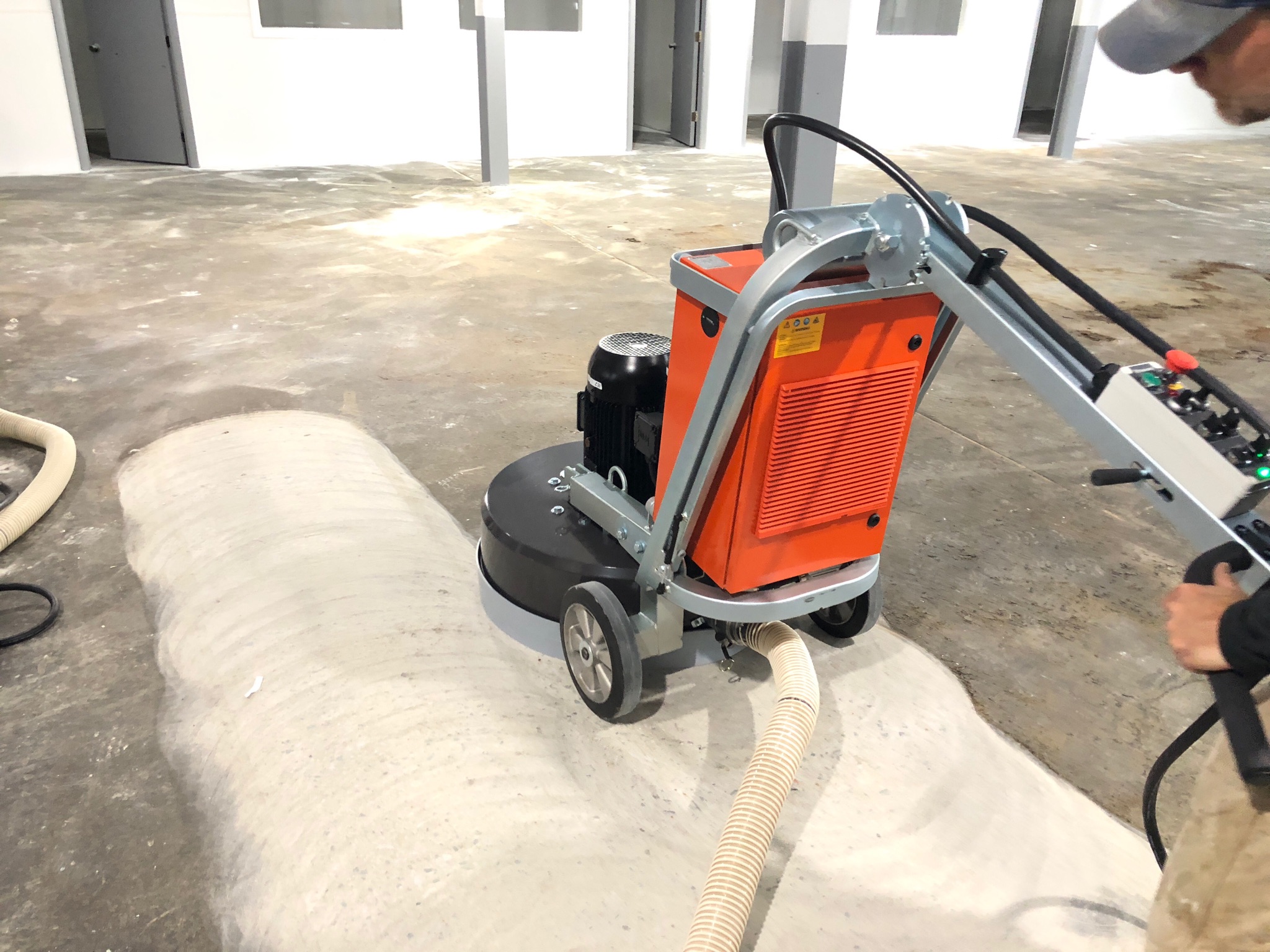
One of the most important factors affecting the longevity of an industrial floor coating is proper surface preparation. Without adequate prep, even the highest-quality coatings will fail prematurely through delamination, bubbling, or peeling.
Surface preparation for industrial coating projects typically includes:
- Diamond grinding or shot blasting to create a mechanical bond profile
- Moisture testing to verify acceptable vapor emission rates
- Crack and joint repair to prevent coating failure points
- Contamination removal (oils, sealers, curing compounds)
- Concrete pH testing for coating compatibility
Cutting corners on preparation consistently leads to premature coating failure. The cost of stripping and recoating a floor that was improperly prepped far exceeds the investment in thorough initial preparation.
How Do Antimicrobial Floor Coatings Support Facility Hygiene?
Healthcare facilities, food processing plants, pharmaceutical labs, and commercial kitchens face strict hygiene requirements. Traditional concrete harbors bacteria in its porous surface structure, making thorough sanitation difficult even with aggressive cleaning protocols.
Antimicrobial floor coatings incorporate agents that inhibit microbial growth directly on the floor surface. Combined with the non-porous finish of epoxy or urethane systems, these coatings allow facilities to meet stringent sanitation standards with less cleaning effort.
Arch Painting, Inc offers antimicrobial coating solutions as part of its industrial floor coating services, specifically formulated for spaces where microbial control and high cleanability are operational requirements.
How to Choose the Right Industrial Floor Coating for Your Facility
Selecting the right coating system depends on your facility’s specific operational demands. Consider these factors when evaluating options:
- Traffic type and volume (foot traffic, forklifts, heavy machinery)
- Chemical exposure (types of substances, frequency of spills)
- Temperature conditions (thermal cycling, extreme heat or cold)
- Downtime tolerance (how quickly the floor must return to service)
- Regulatory requirements (OSHA, FDA, USDA compliance needs)
Epoxy systems are well-suited for general-purpose industrial environments. Urethane coatings perform better where chemical and oil resistance is the primary concern. Urethane cement systems excel in food and beverage facilities facing thermal shock from steam cleaning.
Working with an experienced industrial floor coating contractor ensures the system specification matches your operational reality.
The Financial Impact of Floor Coating Failures in Commercial Facilities
A failed floor coating creates cascading operational costs. Consider a 50,000-square-foot warehouse that needs emergency floor repair:
- Production downtime during repair: lost revenue per day of closure
- Expedited material and labor costs for emergency remediation
- Potential OSHA citations for non-compliant walking surfaces
- Workers’ compensation claims from injuries on degraded floors
- Accelerated substrate deterioration requiring full replacement
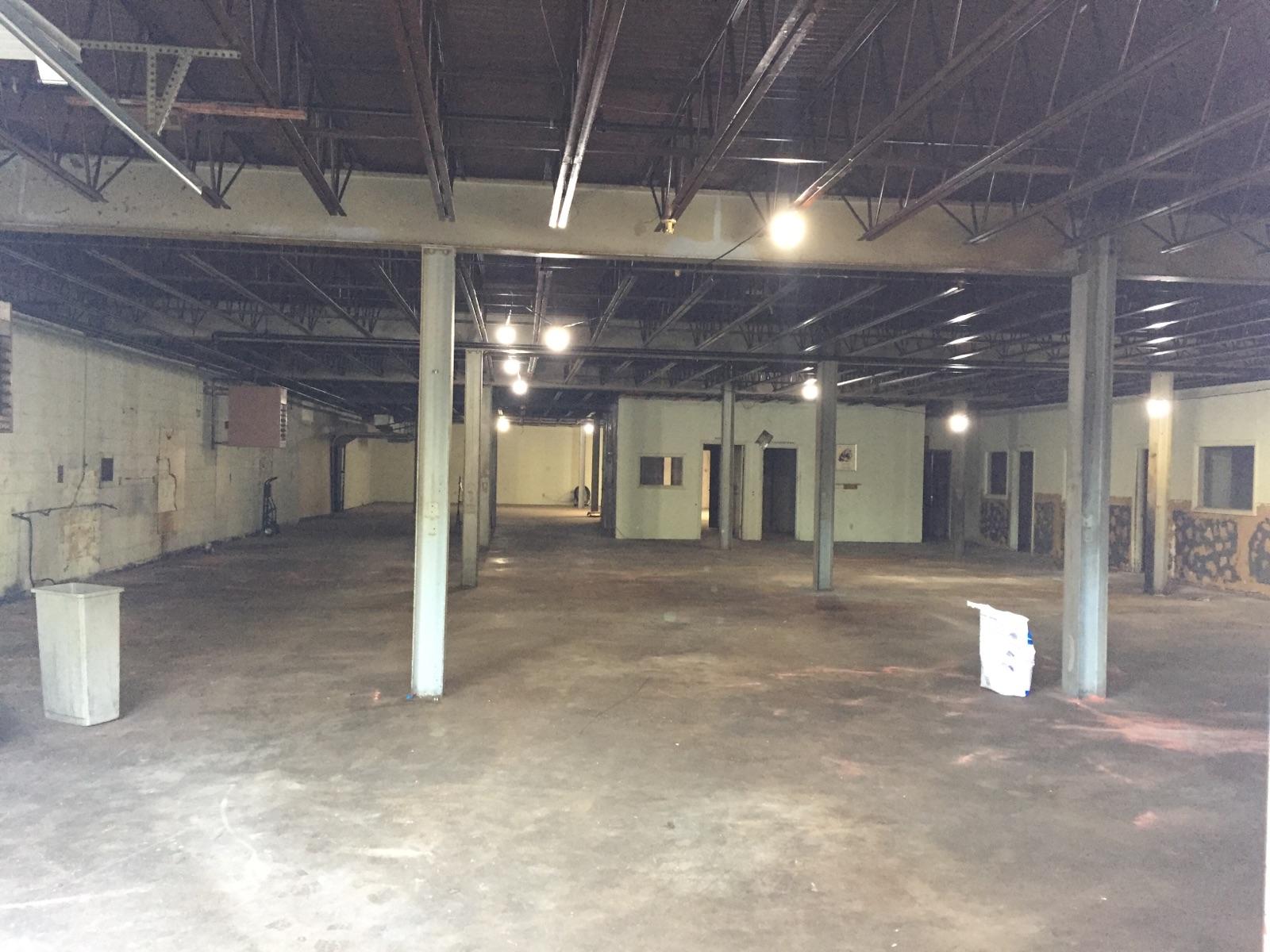
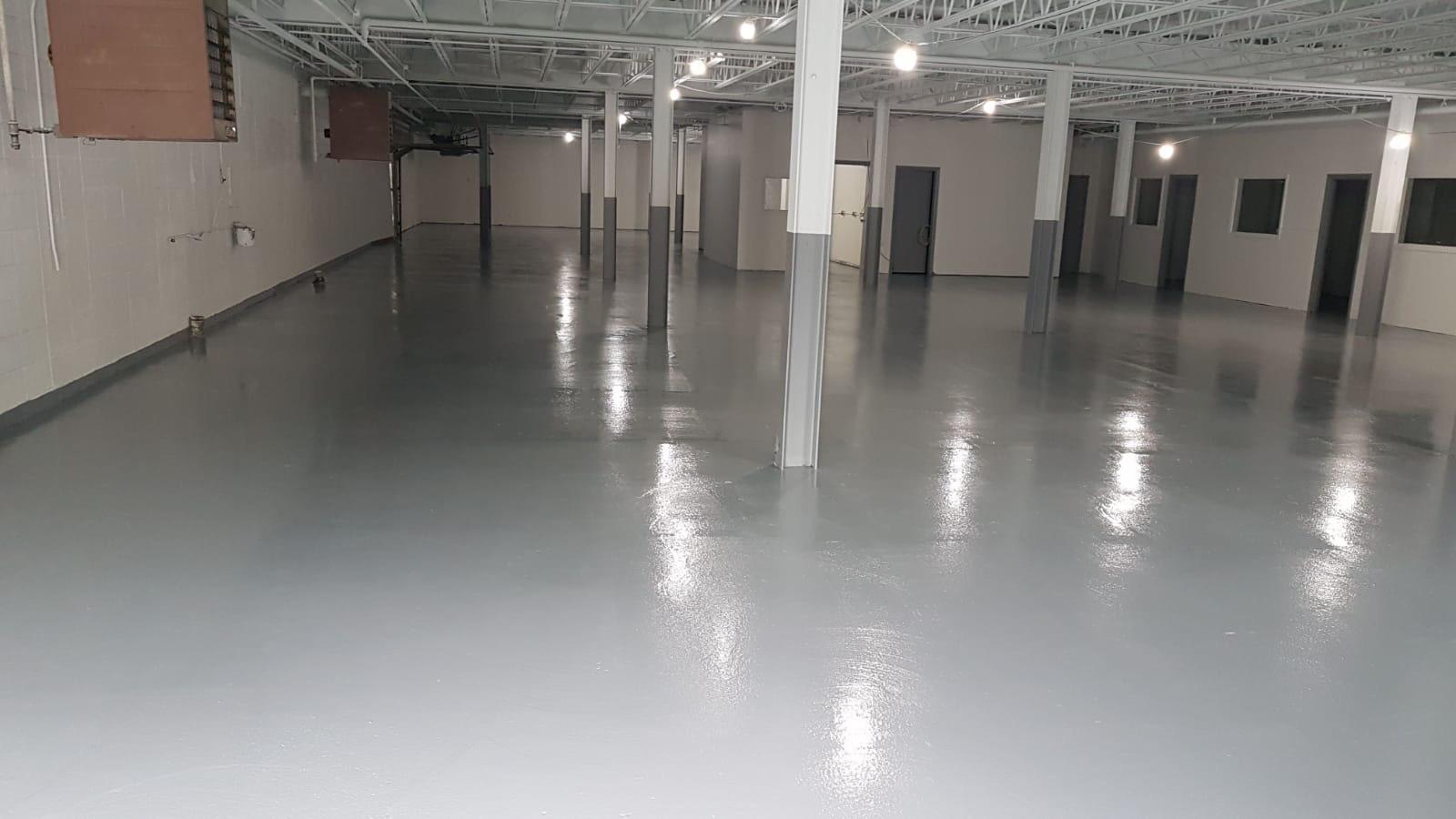
Investing in the correct system upfront, installed with proper surface preparation and professional application, can significantly reduce lifecycle maintenance expenses and protect asset value over a 10- to 15-year service life.
In Conclusion: Industrial Floor Coatings as a Strategic Facility Investment
For property managers and facilities directors responsible for high-traffic commercial environments, industrial floor coatings are more than a maintenance line item. Selecting and installing the right system directly impacts worker safety, operational efficiency, regulatory compliance, and long-term asset preservation.
Whether you’re protecting a warehouse from forklift damage, maintaining sanitation standards in a food processing facility, or reducing slip-and-fall incidents in a manufacturing plant, the right industrial floor coating service delivers measurable returns in reduced liability, fewer repairs, and extended floor life.
FAQs About How Industrial Floor Coatings Improve Facility Safety
What is the difference between epoxy and urethane industrial floor coatings?
Epoxy coatings bond to concrete and add impact resistance, making them ideal for general industrial use. Urethane coatings offer superior chemical and UV resistance, performing better in facilities exposed to solvents, fuels, or outdoor conditions. Many installations use both as a combined system for maximum protection.
How long do industrial floor coatings last in high-traffic facilities?
A properly installed industrial floor coating typically lasts 10 to 15 years in high-traffic environments. Longevity depends on surface preparation quality, coating thickness, traffic intensity, and chemical exposure levels. Arch Painting, Inc applies coatings engineered to hold up under 24/7 operations.
Can industrial floor coatings be installed without shutting down operations?
Many facilities phase installations by coating sections while keeping other areas operational. Fast-cure systems like polyaspartics return to service in hours rather than days. Arch Painting, Inc schedules industrial floor coating projects with flexible timing to reduce operational interruption.
Are industrial floor coatings OSHA compliant for workplace safety?
Industrial floor coatings can help facilities meet OSHA 29 CFR 1910.22 requirements for walking-working surfaces when specified with appropriate slip-resistant textures. Arch Painting, Inc installs coatings with anti-skid additives and textured finishes that support compliance with workplace safety standards.
How do you maintain industrial floor coatings to extend their lifespan?
Regular maintenance involves routine cleaning with pH-neutral solutions, prompt spill cleanup, and periodic inspection for wear patterns or delamination. Avoid harsh abrasives that can damage topcoat integrity. Arch Painting, Inc recommends scheduling assessments to identify areas needing recoating before substrate damage occurs.
Related Posts
Overview For the past ten summers, while students and teachers enjoy their well-earned break, Arch Painting has partnered with Fayerweather Street School to complete [...]
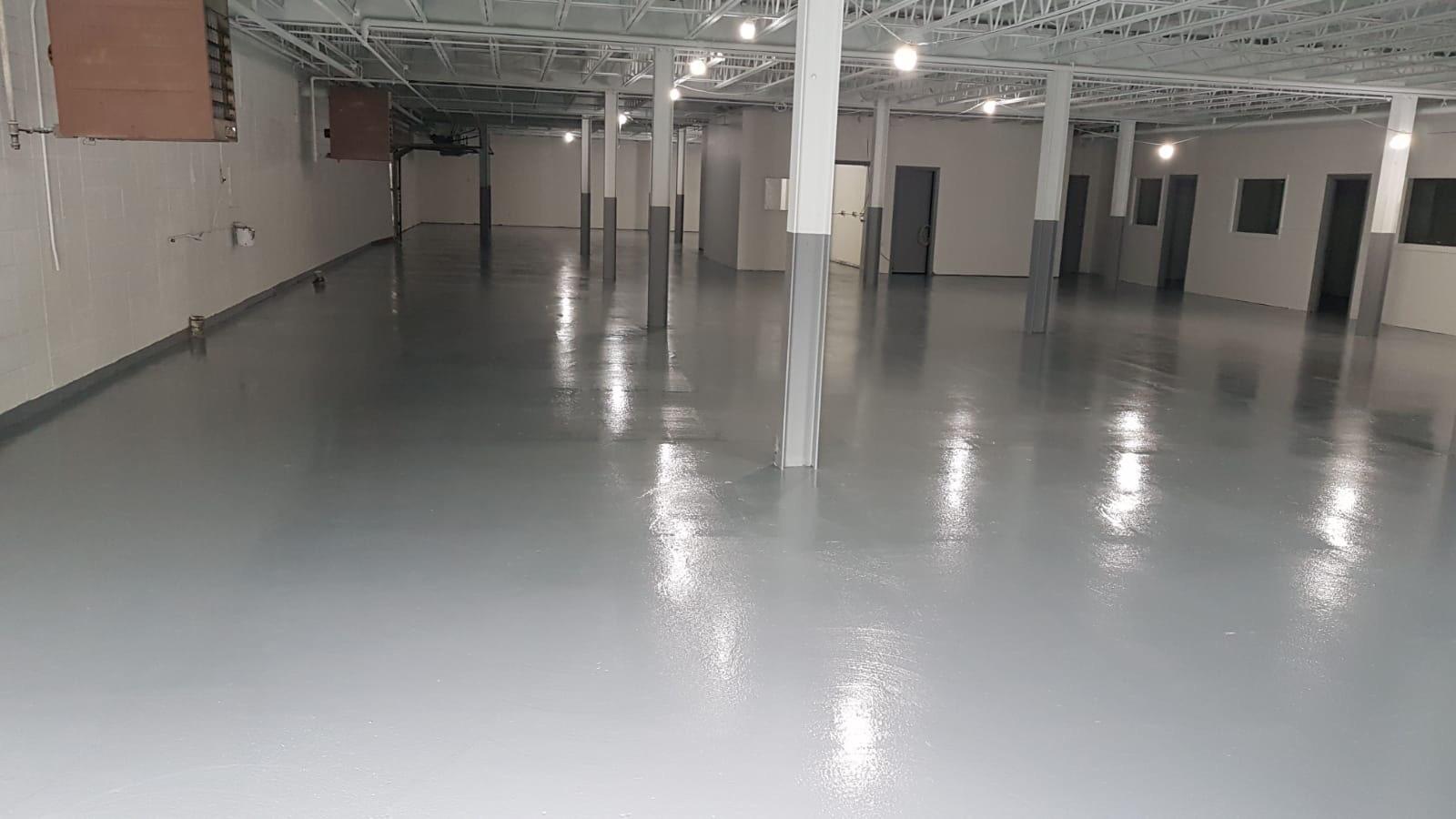
For property managers and facilities directors overseeing warehouses, manufacturing plants, and commercial distribution centers, floor condition directly impacts worker safety, operational uptime, and regulatory [...]
Exterior painting on commercial properties involves elevated work, specialized equipment, and active building environments. Falls from heights remain one of the leading causes of [...]